
3 Best 8–16L Backpack Garden Sprayers Australia – Faster, Even Coverage for Lawns and Hedges
Patchy bindii control on buffalo, black spot on roses that keeps bouncing back, or fruit fly you never quite catch in time—these are usually spray coverage problems, not product problems. The right 8–16L backpack sprayer gives you steady pressure, even droplets and fewer re-fills so jobs finish quicker and chemicals work first time.
Related guides for Aussie yards: Battery-powered backpack sprayers • Dormant oil sprays for fruit trees
Quick Picks
- Best Overall: Solo 15L backpack sprayer – Reliable seals, consistent pressure and spares are easy to get in Australia.
- Best Budget: VEVOR 16L battery backpack sprayer – Affordable powered flow for larger areas without constant pumping.
- Best Premium: GARDENA 12L backpack sprayer – Superb ergonomics and smooth output for precise ornamental and hedge work.
Featured Picks (Amazon AU)

SOLO 425 15L Professional Backpack Sprayer – Viton Seals – German Manufactured
$279.46 on Amazon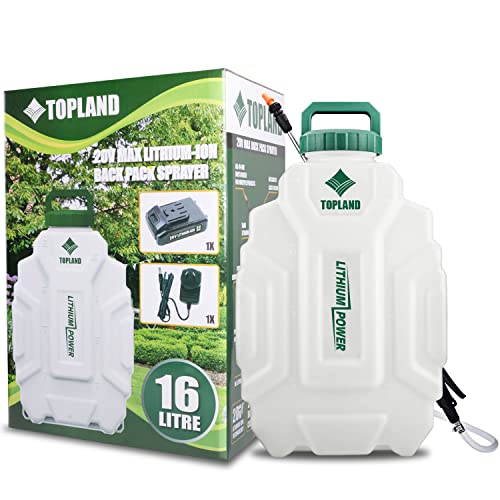
TOPLAND 16L Battery Powered Backpack Weed Sprayer with 20V Battery
$169 on Amazon
GARDENA Backpack Sprayer 12 L Turquoise/Black/Orange
$169 on AmazonAt a glance: which 8–16L sprayer suits your yard?
| Product | Price range AUD | Best use case | Main advantage | Main limitation |
|---|---|---|---|---|
| Solo 15L (manual) | Mid | Regular lawn/hedge care, herbicides and foliar feeds | Durable, proven parts, easy service in AU | Manual pumping on big jobs |
| VEVOR 16L (battery) | Value–Mid | Quarter-acre+ lawns, fence lines, large hedges | Powered flow reduces fatigue and speeds coverage | Heavier; battery adds complexity |
| GARDENA 12L (manual) | Mid–Upper | Accurate spraying around ornamentals and paths | Comfort harness, smooth controls, quality nozzles | Smaller capacity for very large blocks |
Solo 15L Backpack Sprayer (Manual)
Why it stands out
Solo’s 15L packs are the workhorse most Aussie gardeners end up keeping for a decade. Viton seals handle common lawn herbicides and oil-based mixes better than cheaper units, the piston/diaphragm pump builds pressure quickly, and—critically—genuine parts and nozzles are easy to source locally. That means less downtime mid-season.
Real-world use case
Great for routine bindii/clover passes on buffalo or kikuyu, winter copper/dormant oils on fruit trees, and foliar iron on palms. If you spray monthly and value reliability over bells and whistles, this is the practical pick.
Pros
- Consistent pressure for even droplet size on lawns and hedges
- Viton seals cope with harsher mixes and Aussie heat
- Parts and nozzles widely available across Australia
- Simple to service at home; few failure points
Cons
- Manual pumping becomes tiring on large blocks
- Output depends on your pumping rhythm (more variance than battery)
Best for
Homeowners and pros who spray regularly and want durable gear that’s easy to fix quickly.
Who should avoid
If you’re doing long fence lines or multiple tanks per job and your shoulder tires easily, a battery unit below is a smarter upgrade.
VEVOR 16L Battery Backpack Sprayer
Why it stands out
When productivity matters, powered flow is a game changer. Variable pressure helps you switch from fine foliar to coarse perimeter spraying without fiddly pumping. The 16L capacity suits Aussie quarter-acre blocks and medium hedges, reducing re-fills.
Real-world use case
Perfect for broadleaf herbicides across lawns, fenceline glyphosate, or citrus foliar nutrition. Constant output means fewer streaks and missed strips—especially noticeable on warm, breezy afternoons.
Pros
- Consistent spray pattern; better coverage at walking pace
- Faster area output for time-poor homeowners or tradies
- Less fatigue—focus on nozzle height and overlap, not pumping
Cons
- Heavier overall weight than a manual 12–15L
- Battery introduces charging and long-term replacement costs
Best for
Medium–large lawns, hedge runs and acreage edges where speed and uniformity matter.
Who should avoid
If you spray only a few times a year or prefer ultra-light gear, a smaller 10–12L manual unit will feel easier.
GARDENA 12L Backpack Sprayer (Manual)
Why it stands out
GARDENA leans into ergonomics: cushioned straps, a stable tank profile, and controls that feel smooth and precise. If you do delicate work around ornamentals or want a comfortable fit for extended sessions, it shows in the shoulders and wrists.
Real-world use case
Accuracy-focused jobs—selective lawn herbicides near garden borders, rose fungicides, and hedge tonics—where a steady hand and predictable output reduce drift and scorch risk.
Pros
- Comfort harness minimises hot-spot pressure on the back
- Smooth pump action and quality wand/trigger feel
- Good nozzle options for fine foliar vs banded applications
Cons
- 12L means extra refills on large lawns
- Manual output can vary with fatigue over time
Best for
Home gardeners prioritising comfort and precision over maximum capacity.
Who should avoid
If you’re covering big areas quickly, a 15–16L manual or a battery unit is more efficient.
Buying guide: How to choose an 8–16L backpack sprayer in Australia
- Capacity vs weight: 12L feels nimble; 15–16L reduces re-fills. On hot days, 16L can feel heavy—balance capacity with comfort.
- Pump type: Piston builds higher pressure for fine misting; diaphragm tolerates gritty mixes and wettable powders better. Battery sprayers maintain constant flow with less effort.
- Seals & chemical compatibility: Viton seals stand up to solvents, oils and Aussie heat—wise if you rotate herbicides, fungicides and oils.
- Nozzles matter more than specs: Flat-fan nozzles (e.g., 110°) are ideal for lawn herbicides; cone nozzles suit foliar feeds. Keep a small kit to match the job.
- Harness & ergonomics: Padded, breathable straps and a chest strap reduce fatigue, especially on 16L or battery models.
- Parts and service in AU: Access to wands, seals and nozzles locally keeps you spraying during peak season.
More spray-specific help: Wetting agents for dry lawn patches • Bindii control in buffalo, couch & kikuyu • Clover killers that spare your lawn
Setups that work in Aussie conditions
- Lawn herbicides (buffalo-safe): Flat-fan nozzle, medium pressure, steady walking pace with 30–50% overlap.
- Fruit trees (fungicides/oils): Hollow-cone nozzle, lower pressure to wet leaves to the point of runoff—not dripping.
- Perimeter weed control: Coarser spray reduces drift near fences and garden beds, especially on windy arvos.
Helpful add-ons
- Nozzle variety kit for lawn vs foliar work
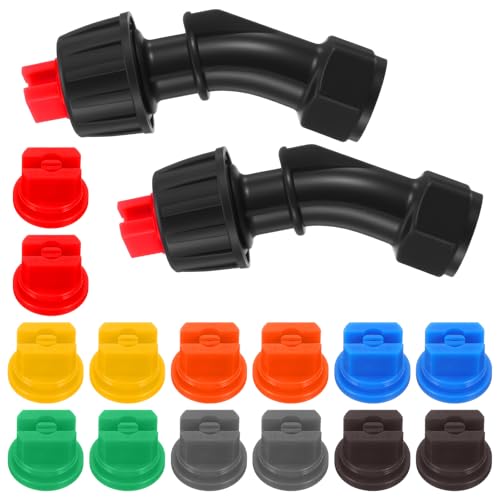
WJIAAA 2 Set 110°Flat Fan Spray Nozzles, 7PCS 0.1–0.6mm Sprayer Nozzle Tip
$7.69 on Amazon - Marker dye to track coverage on turf

Adios! Professional Blue Spray Dye Marker, Makes 16 Gallons of Indicator for Grass and Lawn Care, Safe for Mixing (8oz), 00CADI
$28.79 on Amazon - Chemical-resistant nitrile gloves

ThxToms Nitrile Chemical Resistant Gloves, Resist Household Acid, Alkali, Solvent and Oil, Latex Rubber Free, 1 Pair Medium
$22.37 on Amazon
See also: Raised bed drip irrigation kits • WiFi hose timers for automated watering
FAQ: 8–16L backpack sprayers in Australia
Is a 16L sprayer too heavy for regular use?
Full, a 16L tank can exceed 18 kg. If you spray often or have slopes, consider a 12–15L manual or a battery unit with a good harness.
Manual or battery—what’s better for Aussie lawns?
Battery delivers steadier coverage and faster jobs. Manual is lighter, cheaper to own and simpler to maintain. For quarter-acre+ blocks, battery usually wins on time saved.
Which nozzles should I use for selective lawn herbicides?
Flat-fan nozzles with a wide 110° pattern give even turf coverage and reduce streaking. Use medium pressure and overlap passes 30–50%.
Do I need Viton seals?
If you rotate oils, solvents, and stronger herbicides—or store the sprayer in hot sheds—Viton lasts longer and reduces mid-season leaks.
How do I avoid drift on warm, breezy days?
Spray early or late, use a coarser nozzle, lower pressure, and keep the wand low. Add marker dye on turf to avoid over-spraying later.
Can I run wettable powders or fertilisers?
Yes—rinse immediately after use and prefer diaphragm pumps for gritty mixes. Strain the mix and flush the wand and nozzle.
What’s the right maintenance routine?
Rinse tank, hose and wand after each session, depressurise, and lubricate seals monthly. Store empty with the cap loose to vent.
How do I calibrate for accurate lawn rates?
Time a 10–20 m test walk, measure output into a jug, then scale to m². Adjust your pace or pressure until your L/100 m² matches the label.
Bottom line
If you want a dependable all-rounder with easy parts support, choose the Solo 15L. For speed and uniformity on bigger jobs, the VEVOR 16L battery sprayer pays for itself in time saved. Prefer comfort and precision for ornamental beds and hedges? GARDENA’s ergonomic 12L is hard to beat.
Next steps: compare battery backpack sprayers or automate watering with a smart hose timer to free up more time for spraying when it counts.