
3 Best Electric Lawn Scarifiers Australia (1400–2000W) – Faster Dethatching Without Petrol
Spongy Buffalo or Kikuyu, mower scalping, and dry spots after rain are all classic thatch problems. A corded electric scarifier tears out the dead layer fast, without petrol hassles, so you can topdress and seed on the same weekend. Prefer cordless? See battery scarifiers, or plan a full revamp with our Buffalo & Kikuyu renovation system.
Quick Picks
- Best Overall: 1600–1800W combo-drum model – balances aggressive thatch removal with low bogging and good collection.
- Best Budget: 1400–1500W compact unit – lighter, easier to store, ideal for 100–300 m² lawns.
- Best Premium: 1800–2000W heavy-duty with steel blade drum – rips through thick Buffalo/Kikuyu thatch and renovation work.
How to choose a corded scarifier for Australian lawns
Picking the right wattage and drum saves time and protects the lawn from unnecessary stress.
- Wattage (1400–2000W): Higher wattage resists stall when the drum bites. For Buffalo/Kikuyu or heavy spring clean-ups, 1600W+ is safer. 1400–1500W suits smaller, lighter thatch or Couch.
- Working width (30–38 cm): Wider units cover ground faster but need more power. Small yards benefit from 32–34 cm for maneuverability.
- Drum type: Spring tines lift moss/fine thatch (gentler); fixed blades slice runners and deep thatch (faster, more aggressive). Some models swap drums for both jobs.
- Depth control: Multiple settings let you stage passes: start shallow, go deeper only if recovery is strong.
- Collector box vs rake-up: Catchers are convenient but fill quickly in Aussie thatch. Many users scarify, then rake or mow-vac the debris for speed.
- Aussie conditions: Scarify late spring or early autumn in temperate zones; in QLD subtropics, avoid peak heat. Watering rights? Pair with a smart tap timer later; see WiFi hose timers.
Best Overall: 1600–1800W mid-width combo drum

Cordless Lawn Scarifier Compatible with Milwaukee 18v Battery (Tool Only), 36V Dual Battery Powered Brushless 2-in-1 Dethatcher & Power Rake, 15’’ Wide, 12-Gal Collection Bag, Air Boost Tech, 5 Depths
$269.99 on AmazonWhy it stands out
In real-world Buffalo and Kikuyu, the 1600–1800W class hits the sweet spot: enough power to keep spinning when the catcher is half-full, with a width that gets a 300–500 m² lawn done in an afternoon. Units that include both tine and blade drums give you gentler spring tidy-ups and deeper renovation passes without buying two tools.
Real-world use case
For an established suburban lawn with mixed thatch and a few uneven patches, start with the tine drum at a shallow setting to lift debris, then swap to the blade drum one notch deeper. Follow with a mow to vacuum the mess, a light topdress, and overseed if needed.
Pros
- Enough torque for thick thatch without constant stalls
- Combo drum flexibility for seasonal maintenance and renovation
- Good time-to-result on 300–500 m² blocks
Cons
- Catcher fills quickly on first deep pass
- Will still trip overload if pushed too deep, too soon
Best for
Homeowners wanting one machine to do both gentle dethatching and aggressive slicing on Buffalo/Kikuyu without stepping up to petrol.
Who should avoid
Very small courtyard lawns (<100 m²) where a 1400–1500W compact is easier to store, or heavy contractors who need petrol depth and endurance.
Best Budget: 1400–1500W compact
Cordless Lawn Scarifier Compatible with Milwaukee 18v Battery (Tool Only), 36V Dual Battery Powered Brushless 2-in-1 Dethatcher & Power Rake, 15’’ Wide, 12-Gal Collection Bag, Air Boost Tech, 5 Depths
$269.99 on AmazonWhy it stands out
Light, easy to lift into a shed, and kinder to power points on older homes. On Couch or lighter thatch, these clean up the surface quickly without gouging. If you’re replacing a manual rake and want your weekends back, this is the jump.
Real-world use case
Quarter-acre with a thinner thatch layer and plenty of garden beds to navigate. Do two shallow passes at right angles, mow up the debris, and finish with a wetting agent and a light feed.
Pros
- Lower cost of entry with genuinely useful results
- Smaller footprint for storage and tight turning
- Gentler on fine Couch lawns
Cons
- Can bog on thick Buffalo/Kikuyu if you try to go deep in one pass
- Narrower path means more walking on larger blocks
Best for
First-time dethatchers with small to medium lawns, lighter thatch, or renters needing a compact tool.
Who should avoid
Anyone planning heavy renovation on spongy Buffalo; step up to 1600–2000W.
Best Premium: 1800–2000W heavy-duty blade drum
Cordless Lawn Scarifier Compatible with Milwaukee 18v Battery (Tool Only), 36V Dual Battery Powered Brushless 2-in-1 Dethatcher & Power Rake, 15’’ Wide, 12-Gal Collection Bag, Air Boost Tech, 5 Depths
$269.99 on AmazonWhy it stands out
If your Buffalo lawn feels like a trampoline, you need bite. The top end of corded power holds RPM under load and drives a steel blade drum that cleanly slices runners and thatch. You’ll finish faster and prep the surface better for topdressing and overseed.
Real-world use case
QLD/NSW coastal Buffalo with years of build-up. Two or three staged passes, adjusting depth each time, then topdress to level and improve soil contact. Pair with a pro spreader for even coverage.
Pros
- Most stall-resistant performance in the corded category
- Deeper, cleaner cut through aggressive runners
- Best time savings on larger areas
Cons
- Heavier to push and store
- More aggressive; requires careful depth staging to avoid scalping
Best for
Thick Buffalo/Kikuyu thatch, renovation work, and owners who want petrol-like bite without the maintenance.
Who should avoid
Very small lawns, or anyone just doing a light spring tidy on fine Couch.
Class comparison: which corded scarifier suits you?
| Class | Best use case | Main advantage | Main limitation |
|---|---|---|---|
| 1400–1500W Compact | Small lawns, lighter thatch, Couch | Lightweight, easier storage, affordable | May bog on heavy Buffalo/Kikuyu thatch |
| 1600–1800W Combo | Most suburban lawns, seasonal + renovation | Power-width balance, often includes both drums | Catcher fills fast; still requires staged passes |
| 1800–2000W Heavy-Duty | Thick thatch, Buffalo/Kikuyu, larger areas | Stall-resistant, deeper cutting action | Heavier, needs careful depth control |
Set-up, technique and recovery (Australia-focused)
- Power and safety: Use a 10–15A rated outdoor extension lead with RCD protection. Keep the cable over your shoulder and work away from the outlet.
- Passes and depth: Start at the highest setting, inspect, then step one notch deeper only if the lawn looks healthy. Two to three passes at 90° is common for Buffalo.
- Cleanup: Catch what you can, then mow or rake the rest. If you own a ride-on, a lawn sweeper speeds up debris collection after scarifying.
- Aftercare: Topdress low spots, overseed where thin, apply a wetting agent, and keep moisture consistent for 2–3 weeks. See lawn levelling tools and wetting agents.
What to add next (practical upgrades)
- Heavy-duty outdoor extension lead (30 m) for safe reach

Ultracharge Contractor/Caravan Suitability 15A Lead, 20 m Length
$51.96 on Amazon - Broadcast spreader for overseed and starter fertiliser

Scotts Handy Green Fertilizer Spreader
$31.58 on Amazon
Compare pro spreaders - Lawn levelling rake for post-scarify topdressing
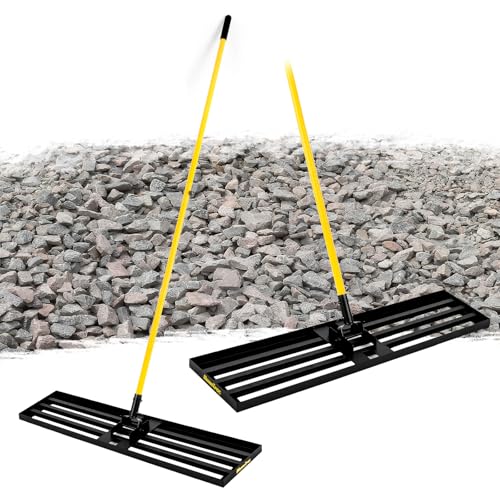
BlumeTrec Lawn Leveling Rake, 114x25.5cm Top Soil Spreader, Heavy Duty Sand Leveling Tool with 213cm Long Handle for Fertiliser Gravel, Steel Golf Rake Soil Leveller for Yard, Garden, Golf Course
$89.99 on Amazon
Related guides
- Battery-powered scarifiers (when cords are a pain)
- Plug aeration for compacted soils
- Lawn sweepers (fast debris pickup for ride-ons)
FAQs: Electric lawn scarifiers (Australia)
What wattage should I choose for Buffalo or Kikuyu?
Go 1600–2000W. The extra torque reduces stalls when the blade drum bites into thick runners common in Buffalo/Kikuyu.
Will a scarifier damage Couch?
Used shallow and in stages, no. Start high and check recovery. Couch tolerates light dethatching well, but deep cuts can scalp if you rush.
When is the best time to scarify in Australia?
Late spring or early autumn in temperate regions. In warmer QLD/NT conditions, avoid peak heat and ensure consistent watering post-work.
Do I need a catcher?
Handy, but not essential. Many users let the scarifier eject debris and then mow or rake for speed. Catchers fill quickly during first deep pass.
Blade drum vs spring tines – which is better?
Tines are gentler for seasonal tidy-ups; blades cut deeper to remove heavy thatch and runners. Combo systems let you do both.
How deep should I set the scarifier?
Begin at the highest setting. If the lawn recovers well after a pass, go one notch deeper. Two to three passes are safer than one deep cut.
Can I use a normal extension cord?
Use a heavy-duty outdoor-rated lead with RCD protection. Keep the cable behind you and work away from the outlet to avoid cutting it.
What should I do after scarifying?
Clean up debris, apply a wetting agent, level low spots with sandy topdress, then overseed/fertilise. Maintain even moisture for 2–3 weeks.
Bottom line
For most Aussie lawns, a 1600–1800W combo-drum corded scarifier offers the fastest, least-fuss dethatch. If you’re fighting thick Buffalo or renovating, a 1800–2000W blade-drum unit shortens the job appreciably; for tight spaces or lighter thatch, a 1400–1500W compact is excellent value. Round it out with a decent spreader and levelling rake to finish like a pro.
Building a bigger plan? Explore full lawn renovation workflows or compare cordless dethatchers if power points are scarce.