
3 Best Mini Cordless Chainsaws Australia – 6–8 Inch Pruning Saws That Cut Faster
Overgrown lilly pillies, citrus suckers and storm-bent branches don’t need a full-size chainsaw. A compact 6–8 inch cordless pruning saw slips between branches, makes clean cuts fast, and saves your shoulders. If you step up to thicker limbs later, consider a pole saw as a safe upgrade (pole saw guide) or a larger cordless chainsaw for storm cleanup (full chainsaw comparison).
Quick Picks
- Best Overall: Pro-grade balance and torque for Aussie hardwood; compact head for tight hedges
- Best Budget: Value kit for small-yard pruning with easy handling and low vibration
- Best for Beginners: Two‑hand stability and 8" bar for cleaner, straighter cuts on fruit trees
Featured Picks (Amazon Australia)

Milwaukee M12FHS-0 12V FUEL 152mm (6") Hatchet Pruning Saw Skin Only
$279 on Amazon
FitBliss Cordless Mini Chainsaw, 6 Inch Upgraded 24V Electric Chainsaw 2 * 1500mAh Battery Powered, Gardening Branch Wood Cutting, Handheld Mini Chainsaw for Tree Pruning (Blue)
$56.99 on Amazon
Bosch UniversalChain 18 (Without Battery and Charger)
$189 on AmazonWhy these mini pruning chainsaws suit Australian yards
Gums and other Aussie hardwoods are dense; cheap brushed motors struggle and stall. These picks prioritise brushless motors for consistent torque, 1/4" low‑profile chains for fast bite without kickback drama, and light, compact bodies that fit into dense hedges. If most of your cuts are above shoulder height, a pole saw is safer and extends your reach (best battery pole saws). For thin green growth, cordless pruning shears are quicker and neater (electric pruner picks).
Best Overall – 6" Pro Mini Pruner
Why it stands out
The compact 6" head slots into hedges and around crotches where a 12" saw won’t fit. A high‑efficiency brushless motor delivers enough grunt to keep a 1/4" LP chain moving in stringybark without bogging. Tool‑less chain tension and automatic oiling keep downtime low between cuts.
Real‑world use case
Perfect for weekend pruning of lilly pillies, olives and citrus up to wrist‑thick, and for tidying seed pods from palms where accuracy matters. The short bar also reduces kickback risk when you’re working in cramped angles.
Pros
- Brushless torque handles dense Aussie hardwoods
- One‑hand capable form factor for tight spaces (use two hands whenever possible)
- Auto‑oiler and quick tensioning for fast maintenance
Cons
- Short bar limits cut capacity; not for firewood or storm logs
- Often sold skin‑only; factor in battery/charger cost
Best for
Homeowners and tradies who want a durable mini saw that doesn’t stall in harder, drier timber.
Who should avoid
If most cuts are above shoulder height or over fence lines, choose a pole saw instead (see pole saw guide).
Best Budget – 6" Value Kit
Why it stands out
A lightweight 6" kit that includes battery and charger is the simplest way to start trimming small branches around the yard. The balance is friendly for first‑time users, and the compact bar keeps cuts controlled.
Real‑world use case
Seasonal shaping of lemonade and mandarin trees, quick removal of spent frangipani stems, and reducing hedge thickness before the hedge trimmer does its final pass.
Pros
- Great value entry into cordless pruning
- Light, low‑vibration cutting for small limbs
- Typically includes bar cover and basic toolkit
Cons
- Battery capacity may be modest; recharge between sessions
- Not ideal for very dry hardwood or frequent thick cuts
Best for
Small suburban gardens where branches are generally finger to thumb thickness.
Who should avoid
Skip budget kits if you’ll routinely cut older, dry eucalypt or want commercial reliability—step up to a brushless pro unit.
Best for Beginners – 8" Two‑Hand Compact Chainsaw
Why it stands out
An 8" bar with a two‑hand grip gives stability and confidence for straighter, cleaner cuts—great for fruit tree framework and hedging bases. Safety features like a chain brake and hand guards are reassuring when learning the ropes.
Real‑world use case
Annual formative pruning on apples, pears and stone fruit where you want a flat, clean cut to minimise disease entry. Also handy for low structural cuts on hedges.
Pros
- Two‑handed control reduces wobble and snagging
- 8" capacity reaches slightly thicker limbs
- Well‑supported ecosystem and spares
Cons
- Larger than one‑hand minis; a bit less nimble in dense canopies
- Heavier than 6" units
Best for
New users who prioritise controlled, accurate cuts over ultra‑compact size.
Who should avoid
If you need to snake between tight branches constantly, the shorter 6" head remains easier to place.
6" vs 8" mini chainsaw – which size should you buy?
- 6 inch: Most agile in hedges and citrus; best when branches are generally under about wrist thickness and access is tight.
- 8 inch: Extra reach and straighter cuts on framework branches; a better match for fruit tree structure and slightly thicker limbs.
If you regularly face limbs beyond what an 8" can comfortably manage, jump to a compact 10–12" cordless chainsaw instead (see full chainsaw picks).
Mini pruning saws compared (decision snapshot)
| Product | Bar length | Battery platform | Main advantage | Main limitation | Best use case |
|---|---|---|---|---|---|
| Pro 6" mini pruner | 6" (1/4" LP) | Compact 12V/18V pro ecosystem | High torque in dense hardwood | Short reach; skin‑only common | Tight hedges, hardwood nubs |
| Budget 6" kit | 6" (1/4" LP) | Entry platform with kit battery | Light, low cost to start | Shorter runtime; lighter duty | Small yards, seasonal trims |
| 8" compact chainsaw | 8" (approx. 20cm) | Common 18V platform | Two‑hand control, clean cuts | Less nimble in dense foliage | Fruit tree framework cuts |
Buying checklist for Australian conditions
- Motor type: Brushless motors cope better with dry eucalypt and ironbark offcuts.
- Chain spec: 1/4" low‑profile (often 1.1mm) bites quickly and reduces kickback.
- Weight & balance: Under ~2–2.5kg with battery keeps fatigue down when you’re reaching in.
- Oiling: An automatic oiler extends chain and bar life, especially in hot, dusty summers.
- Tool‑less tension: Speeds up maintenance between cuts.
- After‑sales: Readily available chains, bars and service in Australia.
If you’re comparing minis to other pruning tools, also see our one‑hand pruning saw roundup (cordless pruning saws AU) and hedge trimmer upgrades for faster finishing passes (battery hedge trimmers).
Set up, care and safety (quick guide)
- Chain tension: Lift the chain at the mid‑bar—drive links should just lift clear and snap back. Re‑tension after the first few cuts.
- Bar oil: Keep the reservoir topped; sap from lilly pillies and eucalypts dries chains quickly in summer heat.
- Sharpening: Touch up with the correct file size for 1/4" LP; little and often beats a full grind after it’s dull.
- Clean down: Wipe sap and dust from the bar groove and sprocket; check the oiler hole is clear.
- Safety: Always use two hands when you can, keep cuts at or below chest height, wear eye/ear protection and cut‑resistant gloves.
Handy add‑ons

Cutwin 3 pack 6 Inch Mini Chainsaw Chain, 1/4" Pitch .043"(1.1mm) Gauge 37 Drive Links Replacement Chains for Portable Cordless Battery Chainsaw
$32.99 on Amazon
OREGON - Organic Chainsaw Chain Oil, Biodegradable Lubricant (1 L Bottle)
$34.37 on Amazon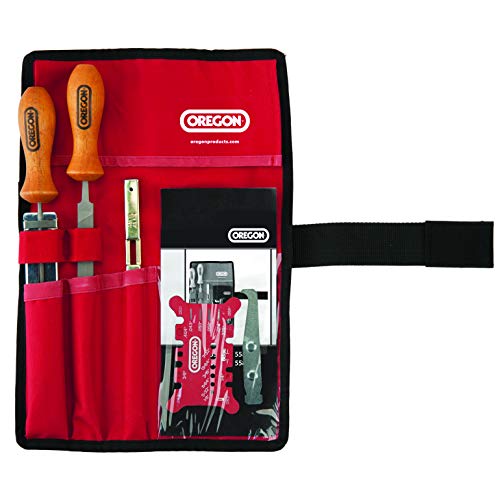
OREGON 4.0mm (5/32-Inch) Chain Sharpening and Bar Maintenance Kit for 1/4", 3/8" Low Profile Chainsaw Chain (558488)
$37.51 on AmazonWhen a mini chainsaw is the wrong tool
If you’re consistently tackling limbs thicker than what an 8" bar comfortably handles, or cutting overhead, a battery pole saw is safer and faster (compare pole saws). For cleanup after storms or firewood, step up to a mid‑size cordless chainsaw with longer bar and higher chain speed (full chainsaw guide).
FAQs
Will a 6" mini cordless chainsaw cut Australian hardwood?
Yes—if it’s brushless with a sharp 1/4" LP chain. Expect slower progress on very dry gum; let the saw do the work and avoid twisting in the cut.
6" or 8" bar for fruit trees?
Go 8" if you want straighter, flatter cuts in framework branches. A 6" excels inside dense canopies and on smaller laterals.
How long does a battery last?
Runtime varies with wood density and chain sharpness. Plan for several short sessions and take breaks to swap or recharge batteries.
Do I need bar oil on a mini chainsaw?
Absolutely. Even minis need constant lubrication—especially in hot, dusty Aussie summers. Use a compatible bar oil and keep the tank topped up.
What chain size do these saws use?
Most minis run 1/4" low‑profile chains, often in 1.1mm gauge. Check your manual before ordering spares.
Are mini chainsaws safe for ladder work?
No. Avoid cutting from ladders. Use a pole saw for anything above chest height to keep two feet on the ground.
One‑handed use—okay or not?
Some minis allow it, but two‑handed control is safer and steadier. Reserve one‑hand use for controlled, low‑risk placements only.
Should I buy a kit or skin‑only?
Kits are great for first‑timers. If you’re already invested in a battery platform, a skin‑only unit keeps costs down and simplifies charging.
What to add next (smart, small upgrades)
- Spare chain in the correct spec to swap when the first goes dull mid‑job.
- Bio‑based bar oil to reduce mess and environmental impact.
- A simple 1/4" filing kit for quick touch‑ups between larger services.
Building out your battery toolset? Our one‑hand pruning saws guide compares alternatives for fine work (see cordless pruning saws).
Bottom line
For fast, tidy garden maintenance in Australian conditions, a quality 6–8" cordless pruning saw is the most efficient upgrade you can make. Pick a compact 6" brushless unit for agility, or an 8" two‑hand model for straighter, cleaner framework cuts—then keep it sharp, oiled and in reach. If you outgrow it, step into a pole saw or larger cordless chainsaw with confidence (pole saws) (mid‑size chainsaws).