
3 Best Robot Lawn Mowers Australia – Reliable Hands-Off Mowing Under $1500
Weekend mowing eating your downtime? A good robot mower can keep Buffalo, Kikuyu and Couch in check while you’re at work, even through coastal drizzle and summer heat. Below are three proven sub-$1500 picks that suit typical Aussie blocks, with clear reasons to choose one over the others. For deeper brand match-ups, see our focused comparisons: GARDENA SILENO City vs Worx Landroid S and Boundary‑wire robot mowers in Australia.
Quick Picks
- Best Overall: Worx Landroid (S-series) – Smart navigation, edge performance, rich app features for tricky Aussie lawn shapes.
- Best Budget: Yard Force (Compact/Classic series) – Straightforward setup and dependable cut for small to mid suburban blocks.
- Best for Beginners: GARDENA SILENO City – Quiet, gentle on soft Buffalo lawns, super simple to live with.

WORX LANDROID Robotic Lawn Mower High Pitch Alarm Accessory - WA0865
$54.87 on Amazon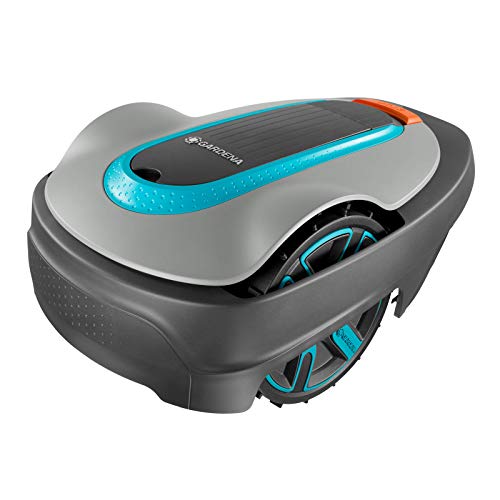
Gardena SILENO City 500 Robotic Lawnmower
$1659 on Amazon
Yard Force 1800W Electric Lawn Mower
$ on AmazonWorx Landroid (S-series) – Best Overall
Why it stands out
Landroid’s navigation and edging tend to leave fewer missed strips around pavers and garden beds. The app gives real control over schedules and growth‑based adjustments, handy for spring flushes in Kikuyu. Add‑on options (e.g., anti‑collision modules on some variants) can help around trampolines and tight courtyards.
Real‑world use case
Irregular suburban blocks with curves and narrow side yards. If you’ve got a mix of shaded Buffalo and sunny Couch patches, Landroid’s flexible scheduling keeps the lawn consistent without you micromanaging it.
Pros
- Strong edge cutting to reduce post‑mow touch‑ups.
- App tools that actually help: seasonal auto‑adjustments and easy zone tweaks.
- Works well on the typical 300–600 m² Aussie yard (check each model’s rated area).
Cons
- Setup requires careful boundary wire placement for best edges.
- Complex gardens may tempt optional modules, adding cost.
Best for
Buyers who want the smartest cut for the money and care about a tidy perimeter without frequent trimmer work.
Who should avoid
Very simple square lawns where a more basic unit will deliver similar results for less.
GARDENA SILENO City – Best for Beginners
Why it stands out
Extremely quiet, gentle on soft Buffalo leaves, and known for fuss‑free ownership. The guided setup is friendly, and the machines handle damp morning cuts well—useful along the coast or in the subtropics.
Real‑world use case
Small to medium lawns with straightforward shapes where you just want reliable, quiet mowing that won’t wake the baby or the neighbour.
Pros
- One of the quieter decks—great for dense suburbs and night runs.
- Good traction for routine bumps and gentle slopes.
- Reputation for simple living: schedule it and forget it.
Cons
- Edging isn’t as assertive as Landroid in some layouts—expect a quick trim now and then.
- Feature set is focused on ease, not tinkering.
Best for
First‑time robot owners who value quiet operation and minimal tinkering.
Who should avoid
Power‑users chasing granular app controls or maximum edge performance.
Yard Force (Compact/Classic series) – Best Budget
Why it stands out
Delivers the essential robot‑mowing experience—consistent cut quality and a sensible app—without pushing the price ceiling. A straightforward pick for tidy rectangles or light landscaping.
Real‑world use case
Owner‑occupied townhouses or single‑fronted blocks where you’re replacing weekend whipper‑snipping with reliable weekly automation.
Pros
- Strong value: sub‑$1500 models that still handle Aussie turf types well.
- Simple install and day‑to‑day use.
- Good consistency on flat to mildly uneven lawns.
Cons
- Not as feature‑rich or customisable as pricier lines.
- Edge finish may need the occasional quick trim.
Best for
Budget‑minded buyers who want dependable cutting without premium frills.
Who should avoid
Challenging, highly irregular gardens where smarter navigation pays off.
How to choose a robot mower under $1500 for Australian lawns
- Lawn size & zones: Check the model’s rated area against your actual mowable space (exclude garden beds, patios). If you’ve got a front and back lawn separated by hardscape, confirm multi‑zone support.
- Grass type: Buffalo’s broad leaves like frequent light cuts; Couch/Kikuyu can surge in warm months—look for flexible schedules and rain/dry sensors. See our wire‑free/RTK guide if you’re eyeing next‑gen navigation as an upgrade path.
- Edges & obstacles: If your beds snake around, better edging saves trimmer time—Landroid generally has the advantage here. For a head‑to‑head, read our GARDENA vs Worx comparison.
- Noise: Dense suburbs benefit from quieter decks (SILENO is excellent) so you can mow early/late without drama.
- Weather: Coastal dew and summer storms are normal—choose a mower that comfortably handles damp lawns and auto‑returns in heavy rain.
- Smart features: Useful if you actually use them. Growth‑based auto scheduling and zone tuning help in spring; Wi‑Fi/Bluetooth must stay connected where the dock lives.
Comparison at a glance
| Product | Best use case | Main advantage | Main limitation |
|---|---|---|---|
| Worx Landroid (S-series) | Irregular suburban lawns | Stronger edge finish and smart app tuning | Setup precision matters for top results |
| GARDENA SILENO City | Quiet, simple suburban mowing | Very low noise; easy ownership | Less customisation; edges may need a quick trim |
| Yard Force (Compact/Classic) | Value choice for simple lawns | Solid performance for less | Fewer advanced features |
Setup tips that save time later
- Boundary wire layout: Keep wire smooth, avoid sharp kinks, and respect distance from edges (per manual). This is the difference between clean borders and constant touch‑ups. Our boundary‑wire primer: read here.
- Dock placement: Give the base level ground, sun protection where possible, and solid Wi‑Fi/Bluetooth reach for reliable updates.
- Blade care: Swap blades regularly for a clean cut—Buffalo in particular looks better with sharp edges.
Smart add‑ons to consider (small upgrades, big payoff)
- Spare blades to keep cuts clean:

Gardena Robotic Lawnmower Blade Kit
$31.21 on Amazon - Boundary wire repair/expansion kit for layout changes:

150 m Universal Boundary Cable for Robotic Lawnmower - Headley Tools Boundary Wire Contains 50 x Pegs + 10 x Cable Connectors + 9 x Blades Compatible with Gardena/Husqvarna/Worx
$62.19 on Amazon - Robot mower garage to shield from UV/rain:
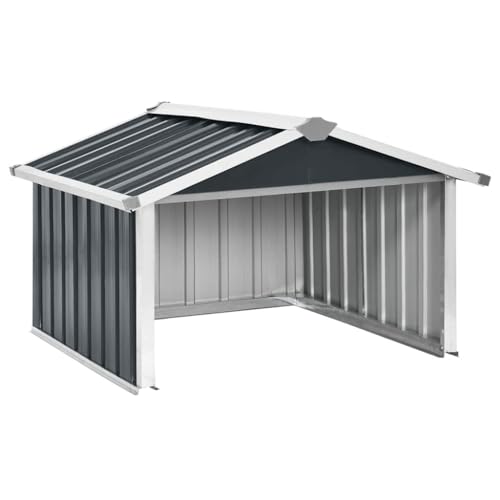
vidaXL Garden Robot Lawnmower Shed Outdoor Backyard Terrace Tool Storage House Shed Garage Shelter 92x97x63 cm Galvanised Steel Anthracite
$136.99 on Amazon
Bonus system upgrade: Healthy turf needs water consistency as much as frequent cuts. If you’re automating the lawn, pairing it with a smart sprinkler controller can lift results and reduce disease pressure. See our Australian picks: 24VAC smart sprinkler controllers or build a bigger plan with our backyard automation bundle ideas.
FAQs: Robot lawn mowers under $1500 in Australia
Will a robot mower handle Buffalo, Kikuyu and Couch?
Yes. These mowers maintain Aussie warm‑season grasses well with frequent light cuts. Keep blades sharp to avoid tearing Buffalo’s broader leaves.
How big can my lawn be for a sub‑$1500 model?
It varies by model. Many in this bracket suit small to medium suburban blocks. Always check the manufacturer’s rated area against your mowable space (exclude patios and garden beds).
Do I need perfect edges or garden borders?
No, but smooth boundary wire and predictable edges reduce trimming. If edges are your pain point, lean towards models known for better perimeter cutting like Landroid.
Can they mow in the rain?
Most can handle damp grass, but heavy rain usually pauses mowing and the unit returns to base. It’s kinder on the turf to avoid saturated runs.
What about slopes?
Each model lists a maximum slope. For typical Aussie yards with mild gradients they’re fine; for steep banks, verify slope specs before you buy.
How hard is setup?
Expect an afternoon for boundary wire and base install. The smoother and cleaner your wire layout, the better the daily result.
Do I need Wi‑Fi?
No, but connectivity helps with updates, schedules and remote tweaks. Ensure the dock location has enough signal for your chosen model’s comms.
How often do blades need changing?
Plan on every few weeks during peak growth, or sooner if you notice frayed tips. It’s cheap insurance for a neat finish.
What should I upgrade first?
Spare blades, a small wire repair kit, and—if the mower sits in full sun—a simple garage. For lawn health, consider a smart irrigation controller next.
Final word
Pick the mower that matches your lawn’s shape and your appetite for tweaking. Landroid excels at edges and control, SILENO is whisper‑quiet and beginner‑friendly, and Yard Force nails value on simpler blocks. If you outgrow boundary wire later, here’s a helpful guide to next‑gen navigation: wire‑free/RTK robot mowers.