
3 Best Robot Lawn Mowers Australia – Hands‑Off Mowing Under $1500
Weekends shouldn’t be spent pushing a mower. If your 300–600 m² Aussie lawn keeps outgrowing your schedule, a sub-$1500 robot mower can quietly keep Buffalo, Kikuyu and Couch in shape—rain or shine, while you’re at work.
Quick Picks
- Best Overall: Reliable cut quality and easy app control for typical suburban blocks
- Best Budget: Lower entry price for small, flat lawns under ~400 m²
- Best for Beginners: Quiet, forgiving setup and solid safety features
Deep-dive brand matchups? See WORX vs GARDENA robot mowers compared. Eyeing next‑gen tech? Here’s our wire‑free RTK robot mower guide.

WORX LANDROID Robotic Lawn Mower High Pitch Alarm Accessory - WA0865
$54.3 on Amazon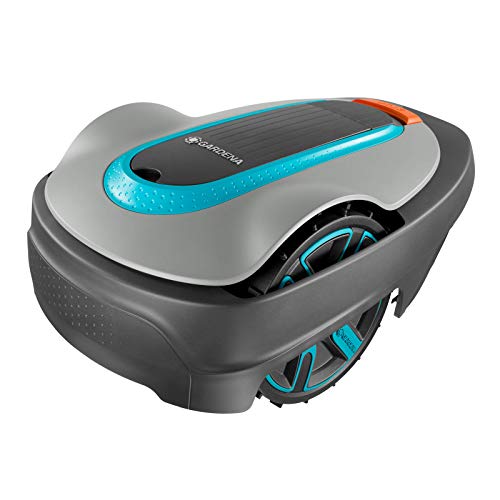
Gardena SILENO City 500 Robotic Lawnmower
$1659 on Amazon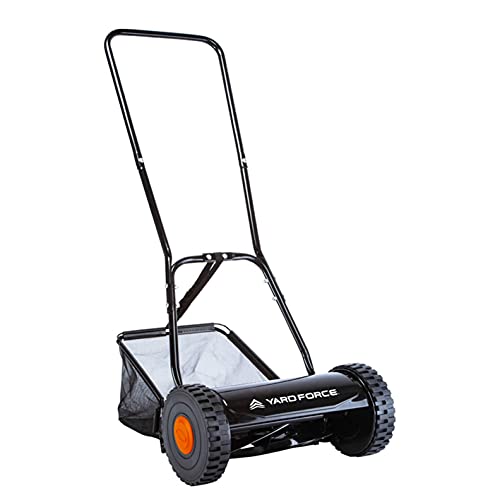
Yard Force Hand Push Lawn Mower, 30 cm Cutting Width
$ on AmazonHow we chose robot mowers under $1500 for Australia
- Real lawn sizes: Focus on ~200–600 m² where most Aussie blocks sit.
- Quiet and safe: Night‑friendly noise levels and lift/tilt sensors for family yards.
- Weather‑ready: Works through coastal humidity and summer storms; optional rain delay.
- Slope handling: At least ~25% gradient capability for typical Aussie blocks.
- Local availability: Readily sourced in Australia with spares (blades, wire, connectors) on Amazon AU.
Who should buy which robot mower?
WORX Landroid S (sub‑$1500 kits)
Why it stands out:
- Smart, flexible scheduling with a mature app that learns your lawn.
- Handles the odd tree, trampoline legs and narrow side yards with decent pathfinding.
- Good support ecosystem: garages, extra wire, blades and anti‑theft modules readily available.
Real‑world use case: A 450 m² suburban lawn in Brisbane with Buffalo turf, a couple of garden beds and a side gate cut‑through. Run daily 60–90 minutes and you’ll rarely see long clippings.
- Pros: Strong app, upgrade add‑ons, tidy cut on warm‑season grasses, easy height tweaks.
- Cons: Boundary setup takes patience; steep, bumpy zones can challenge traction.
- Best for: Busy households wanting a proven platform and helpful app smarts.
- Who should avoid: Very steep, rough or >600 m² lawns—consider stepping up a tier.
GARDENA SILENO City (250–500 m² models)
Why it stands out:
- Exceptionally quiet; easy to live with in dense suburbs.
- Clean, gentle cut that’s kind to Buffalo leaf and fine Couch blades.
- Well‑thought safety and quick height adjustments for changing seasons.
Real‑world use case: A compact 300 m² Adelaide courtyard with kids and pets, where quiet operation and reliable docking matter more than raw speed.
- Pros: Quiet, forgiving setup, reliable docking, good support for replacement blades.
- Cons: Not ideal for big slopes or complex multi‑zone front/back yards without careful wire work.
- Best for: First‑time owners and smaller lawns who value hush and simplicity.
- Who should avoid: Lawns nearing 600 m² or with tricky side access—look at larger capacity models.
Yard Force Compact (20V/28V ranges)
Why it stands out:
- Often the most affordable route into robomowing while staying under the $1500 cap.
- Straightforward controls; good for lawns with simple perimeters.
- Blade consumables and boundary gear are easy to source.
Real‑world use case: A simple 350 m² Perth front lawn with a single garden bed and no steep banks. Set a daily schedule and let it nibble growth before it’s visible.
- Pros: Sharp value, simple to run, accommodates regular light cuts.
- Cons: App and navigation feel more basic; less forgiving on uneven patches.
- Best for: Budget‑minded buyers with flat, uncomplicated lawns.
- Who should avoid: Complex shapes, multiple narrow corridors, or frequent wet patches.
Quick comparison for decisions
| Product | Price range (AUD) | Best use case | Main advantage | Main limitation |
|---|---|---|---|---|
| WORX Landroid S | Sub‑$1500 (varies by kit) | 300–600 m², moderate complexity | Smart app, upgrade ecosystem | Setup time; steep rough areas |
| GARDENA SILENO City | Sub‑$1500 (model dependent) | 200–500 m², quiet suburbs | Very quiet, beginner‑friendly | Not for big slopes/complex zones |
| Yard Force Compact | Typically the most budget‑friendly | Up to ~400 m², simple layouts | Low entry cost, easy basics | Basic navigation; uneven lawns |
Will a sub‑$1500 robot mower actually suit your lawn?
- Lawn size: These models shine under ~600 m². If you’re larger, plan multiple zones or upgrade capacity.
- Grass types: Works well on Buffalo, Kikuyu, and Couch in Australia. Keep blades sharp for thick Buffalo leaf.
- Slopes & bumps: Gentle to moderate slopes are fine; large ruts or tree roots can cause stalls—consider light topdressing.
- Edges & paths: Pavers flush with grass are ideal. Where you have hard edges or drains, run boundary wire carefully 25–35 cm in.
Setup tips for Aussie conditions
- Boundary wire layout: Keep smooth curves; avoid tight zig‑zags around garden beds. Separate front and rear lawns with a guide channel if needed.
- Dock placement: Place on level ground with 1–2 m of straight wire in/out for reliable docking during summer storms.
- Rain & watering: Most models mow in light rain; set a rain delay during prolonged wet to protect turf structure. Pair with smart sprinkler controllers or Wi‑Fi hose timers so watering runs after mowing.
- Cut height: In peak summer, raise height one notch to reduce stress and brown tips on Buffalo.
Smart add‑ons that improve reliability
- Protective garage to shield from UV and summer downpours
- Extra boundary wire and connectors for expansions
- Spare blades to keep the cut clean on tough Buffalo
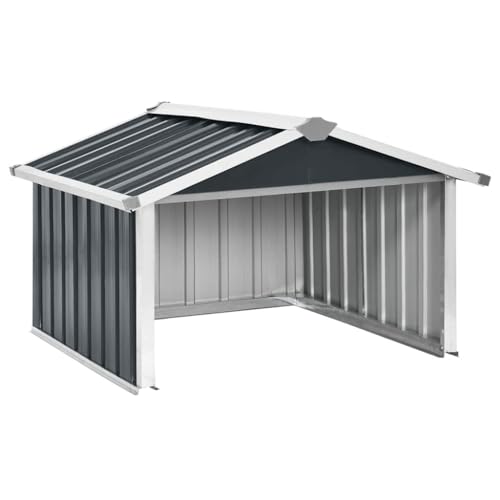
vidaXL Garden Robot Lawnmower Shed Outdoor Backyard Terrace Tool Storage House Shed Garage Shelter 92x97x63 cm Galvanised Steel Anthracite
$136.99 on Amazon
Gardena Robotic Lawnmower Boundary Wire 50 m
$65.99 on Amazon
Clovorthex 36PCS Robot Mower Replacement Blades with 36 Screws - Compatible with LUBA AWD 1000/5000, LUBA 2 AWD 3000/10000, YUKA 600/1500 - Lawn Mower Replacement Cutting Blades Kit
$28.99 on AmazonWhen to upgrade past $1500
If you’re pushing beyond 600–800 m², dealing with steep banks or complex multi‑zone layouts, stepping up a class (or to an RTK wire‑free model) can save frustration. For big, fast growth spurts after renovation, you might also keep a walk‑behind for seasonal work—see our battery self‑propelled mowers or, if you prefer petrol, 21" self‑propelled petrol mowers. Planning a full turf refresh? Our lawn renovation system guide covers aeration, dethatching and feeding to make robot mowing even easier.
FAQs
Will a robot mower work on Buffalo lawns?
Yes. Keep blades sharp and schedule frequent short runs. Raise cut height a notch in summer to avoid scalping Buffalo leaf.
How long does boundary wire take to install?
For 300–500 m², expect 2–4 hours including pegging and testing. Take extra time to smooth sharp corners and set safe offsets near edges.
Can it handle narrow side passages?
Generally yes if you keep at least ~60–90 cm of clear width and lay the wire in gentle, parallel lines through the corridor.
What about rain and wet lawns?
Light rain is fine; heavy, soggy conditions can cause ruts. Use the rain delay and mow after irrigation cycles when soil has drained.
Do robot mowers pick up leaves?
They mulch grass very well but don’t vacuum leaves. Light leaf fall is okay; for heavy leaf drop, clear first or run a blower.
How often should I replace blades?
Plan every 6–10 weeks in peak growing seasons, sooner if you notice tearing rather than clean cuts.
Will it get stolen?
Most models include PIN/lock features and alarms. A simple outdoor camera and a garage shelter add peace of mind.
How do I manage separate front and back lawns?
Either create a wired corridor the mower can drive through or treat each as a separate zone and carry the mower between areas.