
3 Best Robot Lawn Mowers Australia – Confident Cutting on Sloped Yards
Steep banks, sandstone terraces and slick kikuyu after summer rain – that’s where most robot mowers spin out. If your yard has real slope, you need traction, smart navigation and a setup that won’t slide towards a retaining wall. Below are the units I’d actually trust on Australian gradients, plus the trade‑offs that matter before you buy. For deeper brand detail, see our boundary‑wire robot mower comparison and our guide to wire‑free RTK robot mowers.
Quick Picks
- Best Overall: Worx Landroid – Confident traction on typical suburban slopes, excellent app and upgrade options.
- Best Budget: Yard Force – Solid grip for the money; straightforward setup for small to mid lawns.
- Best Premium: GARDENA SILENO Life – Very quiet, refined navigation and dependable on wet Aussie grass.

WORX LANDROID Robotic Lawn Mower High Pitch Alarm Accessory - WA0865
$56.36 on Amazon
Gardena SILENO Life 750 Robotic Lawnmower
$1895 on Amazon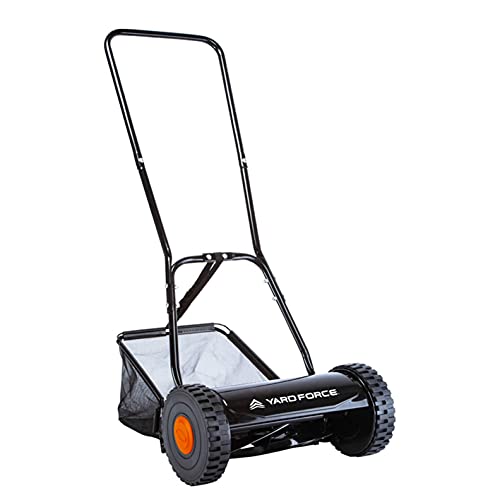
Yard Force Hand Push Lawn Mower, 30 cm Cutting Width
$ on AmazonBest Overall – Worx Landroid (Most Australian slopes, best smarts)
Why it stands out
Among boundary‑wire models, Landroid consistently balances slope handling with smart features. On real lawns (buffalo and kikuyu), its drive wheels bite well, especially when the lawn isn’t scalped too low. The app is mature, updates are frequent, and optional add‑ons like obstacle detection and anti‑theft give room to upgrade later instead of replacing the mower outright.
Real‑world use case
Typical 400–800 m² suburban blocks with a back lawn that dips towards a fence line. If your slope is in the “short but steep” category, careful boundary‑wire placement and a slightly higher cut height stops spin‑outs. The unit’s navigation handles narrow side yards better than most at this price.
Pros
- Grippy tyres that cope with damp kikuyu when cut above ~40 mm.
- App scheduling is intuitive; easy to tune run windows around kids/dogs.
- Modular upgrades (e.g., obstacle sensing) extend lifespan without a full upgrade.
- Good parts and community support in AU.
Cons
- Like all 2‑wheel drives, very steep or long continuous slopes can still cause drift.
- Initial wire layout takes patience on terraced yards.
Best for
Buyers who want a feature‑rich, slope‑capable robot with genuine app control and clear upgrade paths.
Who should avoid
Blocks with extended slopes above typical gradient ratings, or complex multi‑tiered lawns where AWD or RTK mapping is a better fit.
Best Budget – Yard Force (Value traction for small to mid lawns)
Why it stands out
Yard Force punches above its weight on grip and stability for the price. You don’t get all the bells and whistles, but you do get a dependable cut and a drive system that holds up on the short, punchy slopes you see on newer estates.
Real‑world use case
Courtyard or small suburban lawns with a noticeable pitch from patio to fence. If your slope segments are limited and you can keep edges tidy, Yard Force is a sensible first robot to replace weekend trims.
Pros
- Good wheel bite versus cost; less “polish,” more get‑it‑done.
- Straightforward controls; setup isn’t fussy.
- Often packaged with pegs/wire to get started fast.
Cons
- App and firmware feel basic compared with Worx or Gardena.
- Not ideal for complex lawns with lots of micro‑zones.
Best for
Cost‑conscious buyers who still need real slope competence on a smaller block.
Who should avoid
Homes with long continuous slopes, heavy shade plus moss (slippery), or multiple fragmented lawn areas.
Best Premium – GARDENA SILENO Life (Refined, quiet, wet‑grass friendly)
Why it stands out
Gardena’s SILENO Life prioritises smooth navigation and low noise. On damp coastal mornings or after a Brisbane storm, it tracks predictably and stays quieter than most, making it easier to schedule runs at neighbour‑friendly hours.
Real‑world use case
Mid‑size lawns with mixed shade and a steady fall to a boundary. If you’re sensitive to noise and want a mower that behaves calmly around kids and pets, SILENO Life is a safe bet.
Pros
- Very quiet operation – ideal for early or evening runs.
- Stable movement on dew‑covered lawns common in coastal areas.
- Good corridor handling for Aussie side paths.
Cons
- Premium price without AWD; absolute steep slopes still favour a dealer‑sold AWD unit.
- Bound by wire; setup care is essential near retaining walls.
Best for
Buyers who prioritise low noise and tidy navigation with reliable wet‑weather manners.
Who should avoid
Very steep or stepped yards where a dedicated AWD or RTK unit is the safer call.
Which robot suits your slope? (Decision snapshot)
| Product | Price band | Best use case | Main advantage | Main limitation |
|---|---|---|---|---|
| Worx Landroid | Mid | 400–800 m² with short, punchy slopes | Strong app + upgradable sensors | Not for long, continuous steep banks |
| Yard Force | Budget | Small/mid lawns with a single sloped section | Good traction per dollar | Basic app; fewer smart features |
| GARDENA SILENO Life | Premium | Mid lawns; quiet runs on damp coastal grass | Refined navigation + low noise | No AWD; wire setup needs care |
Note: Many boundary‑wire robots claim gradients in the 25–35% range. Check the exact model’s spec before purchase. If your block exceeds that, consider AWD dealer models or RTK wire‑free options covered in our RTK buyer’s guide.
Buying guide: What matters on Australian slopes
1) Gradient rating and tyre design
Ignore marketing fluff and look for a stated gradient rating, then give yourself headroom. Deep, open tread patterns help on wet buffalo/kikuyu. If your lawn ices up in frosty zones, plan to run later in the morning.
2) Navigation and recovery behaviour
On slopes, bad recovery means the mower slides back down and chews a rut. Models with smarter escape logic and gentle speed control behave better near edges and garden walls.
3) Cut height and deck stability
Cut a tad higher on slopes. A higher setting reduces wheelspin and scalping, especially on buffalo. Heavier decks feel planted but can drift on very steep faces – balance matters more than raw weight.
4) Boundary‑wire strategy
Pull the wire upslope from hazards and give extra setback from retaining walls. On convex corners, round the wire path to avoid tight turns that cause slippage. See our brand‑specific wire tips in the boundary‑wire comparison.
5) Weather handling
East coast rain or Fremantle Doctor afternoons? Pick models with rain detection or set schedules for dry windows. Quiet mowers let you run later at night when lawns are drier.
Setup tips for sloped yards (quick wins)
- Stake boundary wire every 60–70 cm on slopes so it doesn’t “float” and confuse the mower.
- Increase setback from drop‑offs and stone edges by 10–20 cm beyond flat‑yard recommendations.
- Start with a higher cut, then drop gradually over two weeks once traction patterns settle.
- Add a short flat “landing pad” for the charge station so docking isn’t on a lean.
- After heavy rain, delay runs to avoid wheel ruts on clay soils.
Useful add‑ons (small upgrades that help on slopes)
- Heavier‑gauge boundary wire (less signal loss, stays pinned).
- Simple mower “garage” to keep charge contacts dry and clean.
- Spare blades – swap often if your slope has sand pockets that dull edges.

Gardena Robotic Lawnmower Boundary Wire 50 m
$70.04 on Amazon
MOVA Robotic Mower Garage for MOVA 600/600 Kit/600 Plus/1000
$139 on Amazon
Clovorthex 36PCS Robot Mower Replacement Blades with 36 Screws - Compatible with LUBA AWD 1000/5000, LUBA 2 AWD 3000/10000, YUKA 600/1500 - Lawn Mower Replacement Cutting Blades Kit
$27.89 on AmazonWhen to skip a robot mower and what to buy instead
If any single section of your lawn is steeper than the typical boundary‑wire robot’s rating or you have long, continuous slopes without flat breaks, consider stepping up to AWD dealer units or modern RTK robots (no wire, better path control). Otherwise, a self‑propelled battery mower can be safer and faster on extreme slopes – see our guide to self‑propelled battery mowers in Australia.
FAQs
What gradient can a typical boundary‑wire robot handle?
Most mainstream 2‑wheel‑drive robots quote around 25–35% gradients. Check your exact model’s spec and allow buffer. For steeper blocks, look at AWD dealer units or RTK models.
Will a robot mower work on buffalo and kikuyu?
Yes. Set a slightly higher cut (often 40–50 mm) to improve traction, and keep blades sharp. Buffalo stolons can be tough – frequent short runs beat infrequent long ones.
How do I stop the mower sliding near a retaining wall?
Increase the boundary setback upslope, round tight corners, and avoid locating the dock on a lean. Heavy‑gauge wire with extra pegs keeps the path consistent.
Can I run a robot mower in the rain?
Many can, but it’s not ideal on slopes. Wet clay and dew reduce grip. Use rain scheduling or pause runs after downpours to protect the turf.
What size battery or runtime do I need for a 600 m² sloped lawn?
Look for models rated above your area (e.g., 700–1000 m²). Slopes add resistance and increase charge cycles, so overspec slightly for consistent coverage.
Are wire‑free (RTK) robot mowers better on slopes?
Often yes, because precise pathing reduces wheelspin and avoids repeated slip zones. They cost more and need clear satellite visibility. See our RTK guide.
How often should I replace blades on a sloped lawn?
Every 4–8 weeks in peak season, sooner if you hit sand or gravel on banks. Dull blades increase spin and tearing.
Can one robot handle multiple terraced lawn levels?
Only if each terrace is accessible without lifting the mower. Boundary‑wire robots can’t cross steps; you’d need ramps or separate zones with manual moves.
Bottom line
If your slope sits in the common 25–35% band, Worx Landroid and GARDENA SILENO Life are the most confidence‑inspiring, with Yard Force delivering great traction per dollar for smaller blocks. If you’re beyond that gradient or want fewer setup compromises, shortlist AWD or RTK models next – we cover them in our wire‑free RTK buyer’s guide. And if you decide to stay manual for safety or speed, compare the latest self‑propelled battery mowers.