
Grow Tent Dehumidifiers 2026: Best Small Units for Indoor Gardens
Managing humidity is critical for healthy indoor plants. In 2026, compact grow tent dehumidifiers help prevent mold, mildew, and bud rot while improving airflow and plant performance. This guide compares size, moisture removal, noise, and efficiency so you can control your environment properly.

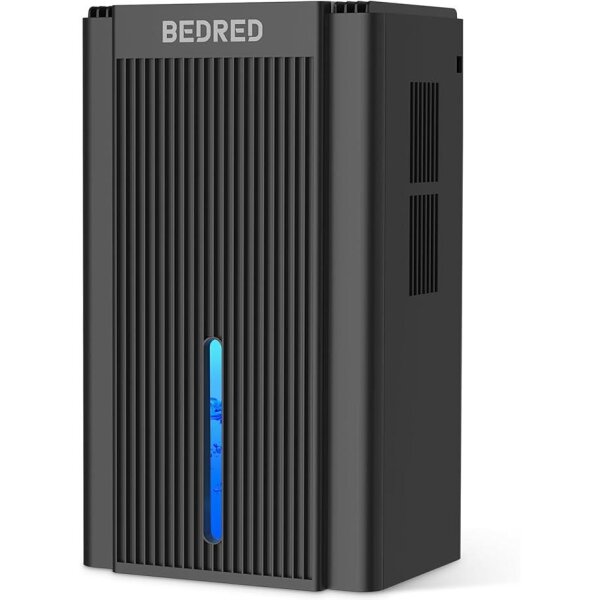
Small Grow Tent Dehumidifier ⭐ Amazon Top Pick
- Perfect for small grow tents and indoor gardens
- Removes excess moisture to prevent mold and mildew
- Compact, quiet, and energy-efficient operation
Quick Picks (By Grow Setup)
- Best for 2x2–3x3 tents: Mini 500–1000ml/day units. compact mini dehumidifiers
- Best for 4x4 tents: 20–35 pint compressor units. small compressor dehumidifiers
- Best quiet option: Thermoelectric (Peltier) units. quiet dehumidifiers
- Best for high humidity (flower stage): Continuous drain compressor models. continuous drain dehumidifiers
Grow Tent Dehumidifiers Compared (2026)
| Model | Capacity | Tank / Drain | Noise Level | Best For | Price (USD) |
|---|---|---|---|---|---|
| Small Compressor Dehumidifier | 20–35 pint / 9–16L | Tank + continuous drain | 45–55 dB | 4×4 tents / high humidity | $120–$250 |
| Mini Thermoelectric Dehumidifier | 300–1000 ml/day | Small tank | Very quiet | 2×2 to 3×3 tents | $30–$80 |
| Quiet Peltier Dehumidifier | 500–1200 ml/day | Tank only | < 40 dB | Small tents / stealth setups | $50–$100 |
| Continuous Drain Compressor Unit | 25–45 pints / 11–20L | Continuous drain | 45–60 dB | Large tents / flower stage | $180–$350 |
| Small Desiccant Dehumidifier | 10–20 pints | Tank | Quiet | Cool environments | $80–$180 |
2026 Buyer’s Guide: What Actually Matters
- Moisture removal capacity: Small tents need 300–1000ml/day, larger setups need 20–35 pint units.
- Compressor vs Peltier: Compressor = powerful and efficient. Peltier = quieter but less effective.
- Tank size: Larger tanks reduce emptying frequency. Continuous drain is best for serious grows.
- Size & fit: Must fit inside or just outside your grow tent without blocking airflow.
- Noise level: Important for indoor use—look for < 40dB for stealth setups.
- Auto shutoff: Prevents overflow when tank is full.
- Humidity control: Built-in humidistat lets you dial in perfect RH levels.
- Energy efficiency: Lower wattage units reduce running costs long-term.
Grow Tent Dehumidifier Types Compared (2026)
| Type | Capacity | Noise | Best For | Price Range |
|---|---|---|---|---|
| Peltier (Mini) | 300–1000ml/day | Very quiet | Small tents (2x2, 3x3) | $30–$80 |
| Compressor (Small) | 20–35 pints/day | Moderate | 4x4 tents, high humidity | $120–$250 |
| Desiccant | Low–moderate | Quiet | Cool environments | $80–$200 |
Not sure which to choose? Start with a mini unit for small tents. For dense canopies or flowering stages, upgrade to a compressor model with continuous drainage.
Shop Mini Units Shop Compressor Units
Editor’s Shortlist (2026)
- Best Budget: Compact Peltier units under $50. budget dehumidifiers
- Best Overall: Small compressor with humidistat. top-rated models
- Best Quiet Option: Low-noise thermoelectric units. quiet units
How to Choose a Grow Tent Dehumidifier
- Match your tent size: Small tents = mini units, larger tents = compressor models.
- Control humidity: Aim for 40–60% depending on growth stage.
- Check airflow: Place unit where air circulates efficiently.
- Plan drainage: Continuous drain saves time and effort.
- Minimise noise: Choose quieter units for indoor environments.
- Consider heat output: Some units add warmth—can be helpful or harmful depending on setup.
FAQs: Grow Tent Dehumidifiers
1. Do I need a dehumidifier in a grow tent?
Yes, especially during flowering. High humidity can cause mold, mildew, and bud rot.
2. What humidity level is ideal?
Seedlings: 60–70%, Vegetative: 50–60%, Flowering: 40–50%.
3. Can I use a mini dehumidifier?
Yes, but only for small tents. Larger setups require compressor models.
4. Where should I place it?
Inside the tent for small units, or outside with ducting for larger systems.
5. Are dehumidifiers noisy?
Peltier units are very quiet. Compressor models produce moderate noise.
6. Do they increase temperature?
Yes, slightly. This can help in colder climates but may require ventilation.
7. How often do I empty the tank?
Depends on humidity levels. High humidity may require daily emptying unless using continuous drain.
8. What size do I need for a 4x4 tent?
A 20–35 pint compressor dehumidifier is ideal.