
2 Best Battery Line Trimmers Australia – Makita 40V XGT vs DeWalt 54V FlexVolt for Fast, Clean Edging
Buffalo and kikuyu edges creeping over the pavers? If you’re done with petrol noise, fumes and pull cords, the latest heavy-duty battery whipper snippers from Makita and DeWalt finally match petrol punch with far less hassle. This guide compares the Makita 40V XGT and DeWalt 54V FlexVolt line trimmers head-to-head for real Australian conditions and buying decisions. For more heavy-duty picks, see our High-Torque Battery Line Trimmers (AU) or pair your edges with a dedicated edger in our Battery Stick Edgers Australia.
Quick Picks
- Best Overall: Makita 40V XGT Line Trimmer – Balanced, torquey, quieter feel with smart auto-torque; ideal for weekly yard care and long edging runs.
- Best Value: DeWalt 54V FlexVolt Line Trimmer – Big cutting swath and serious grunt; great if you want fewer passes on thick kikuyu.
- Best for Beginners: Makita 40V XGT (kit with mid-size battery) – Gentler throttle ramp, less vibration, easier to control around fences and garden beds.
Makita 40V XGT Line Trimmer – Balanced Power With Low Fuss
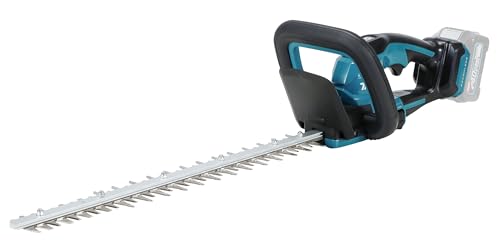
Makita UH020GZ 40V Max XGT Brushless 500mm Hedge Trimmer, Batteries and Charger Not Included
$629 on AmazonWhy it stands out
- Smooth torque delivery: Makita’s brushless motor with automatic torque drive ramps up only when grass thickens, saving battery in light trimming and giving you punch when you hit buffalo stolons.
- Better balance and feel: XGT trimmers are typically lighter up front than many high-voltage rivals, so long edging passes along driveways feel less fatiguing.
- Wet-weather practicality: IPX4-style tool sealing on many XGT OPE units means less stress about morning dew or a quick coastal shower.
- Line control: Bump-feed heads handle 2.0–2.4 mm line well, so you can step up diameter for tougher couch/kikuyu overgrowth without constant breakage.
Real-world use case
Weekly maintenance on a 400–800 m² Aussie yard with buffalo lawn, mixed edges, and fence lines. One 4–5 Ah XGT battery often covers a standard trim if you’re not constantly mulching thick weeds. The softer throttle response is friendlier near irrigation risers and pavers.
Pros
- Efficient runtime thanks to auto-torque and sensible cutting speed presets
- Lower perceived vibration and noise for suburban use
- Good cut quality with 2.4 mm line; tidy finish on buffalo edges
- XGT platform scales to pro-level tools if you expand later
Cons
- Cutting swath is typically a touch smaller than DeWalt’s big-head approach
- Not the absolute most aggressive on shoulder-high weeds or lantana
Best for
Homeowners wanting a premium-feel whipper snipper for weekly trims, with less arm fatigue and excellent battery efficiency.
Who should avoid
If you’re clearing long, dense growth regularly or want maximum cutting width to reduce passes, DeWalt’s FlexVolt may suit better.
DeWalt 54V FlexVolt Line Trimmer – Big Swath, Big Grunt

DeWalt 54V XR Flexvolt Brushless Line String Trimmer
$447 on AmazonWhy it stands out
- High impact cut: FlexVolt trimmers typically run a wider head that clears more in each pass—handy for overgrown verges and rough patches.
- Serious torque: The 54V platform delivers confidence on thick kikuyu runners and couch that’s crept into garden beds.
- Simple speed control: Two or three-position speed selectors keep things straightforward when bouncing between delicate edges and aggressive cuts.
Real-world use case
Quarter-acre blocks or rural edges where sections get away between rains. If you value speed over finesse, the bigger cutting path reduces lap count, especially on neglected verges and long fencelines.
Pros
- Large cutting width for fewer passes on open areas
- Confident torque for heavy growth and tough runners
- FlexVolt batteries also power other DeWalt 54V OPE and tools
Cons
- Heavier head and more aggressive feel can be tiring on long, delicate edging
- Noise profile is a bit sharper; still far quieter than petrol, but noticeable on dense cuts
Best for
Buyers who prioritise speed and power to tame thick growth, larger blocks, and long verge lines.
Who should avoid
If most of your trimming is around delicate beds, tight paver edges or irrigation heads, Makita’s smoother control can be the safer pick.
Makita 40V XGT vs DeWalt 54V FlexVolt: Which suits an Australian yard?
| Product | Best use case | Main advantage | Main limitation |
|---|---|---|---|
| Makita 40V XGT Line Trimmer | Weekly trims, clean edging around driveways, garden beds and fences | Balanced feel, efficient runtime, precise throttle control | Smaller swath; not the most aggressive on long, dense growth |
| DeWalt 54V FlexVolt Line Trimmer | Overgrown verges, bigger blocks, fewer passes in tough grass | Large cutting width and serious torque for fast knockdown | Heavier, more tiring on long delicate edging runs |
Still unsure? If trimming is 80% of your yard work and you like a neat finish, Makita XGT usually feels more refined. If you often face catch-up jobs—kikuyu after rain, neglected verges, thicker weeds—DeWalt’s wider cut and extra punch wins time back. If you want a full ecosystem comparison, see Makita 40V XGT vs DeWalt FlexVolt OPE and mower options in Self-Propelled Battery Lawn Mowers AU.
Battery and Charger Choices That Actually Matter
Battery capacity affects both runtime and tool balance. A massive brick gives longer runs, but adds front-end swing weight that tires shoulders on fine edging. Here’s a simple path:
- Makita XGT: Start with a 4–5 Ah for weekly trims; add an 8 Ah only if you regularly do heavy knockback or long fencelines.
- DeWalt FlexVolt: A 6–9 Ah battery suits the big head well; consider a second battery if your block is 800 m²+ or growth gets away in summer.

Makita BL4025-L (191B35-3) 40V Max 2.5Ah Li-ion XGT Cordless Battery with Gauge
$159 on Amazon
DeWalt 18V/54V XR Flexvolt 9.0 Ah Battery
$209 on AmazonSetups for Australian Conditions
- Line diameter: Run 2.4 mm for buffalo/kikuyu edging and light brush. Step down to 2.0 mm for delicate garden bed edging.
- Guard and debris: Coastal and red-clay soils fling grit; stick with the standard guard unless you’re on wide-open verges where a speed-feed head plus larger swath pays off.
- Heat management: On 30–35°C days, use the mid-speed setting first; only bump to high when the head starts to bog. Batteries stay cooler and last longer.
- Noise and neighbours: Both are far quieter than petrol, but DeWalt’s bigger cut throws a sharper note under load. Early-morning trims? Makita is more neighbour-friendly.

UCINNOVATE String Trimmer Line, 1 Spool Round Weed Eater String 2.4mm x 100m, Nylon Weed Wacker String, 095 Trimmer Line Heavy Duty for Lawn Mower, Orange (0.095 Inch x 328 Ft)
$22.99 on AmazonUpgrade Paths (Keep It Practical)
- Stick edger for curb-perfect lines: If you value crisp edges on long driveways, add a dedicated stick edger rather than pushing a trimmer head vertically. See Battery Stick Edgers AU.
- Match with a blower: Clearing clippings after edging sells the finish. Compare in Battery Leaf Blowers AU.
- Consider a kit for better value: If you’re building from scratch, Makita and DeWalt OPE kits can be better value than piecemeal buys. Start here: Makita 40V XGT Kits or DeWalt FlexVolt OPE Kits.
Buying Checklist for Australia
- Block size and growth rate: Larger blocks or fast-growing kikuyu favour DeWalt’s bigger cut; neat suburban edges lean Makita.
- Runtime vs weight: One big battery or two smaller? Two smaller often balance better and charge faster on standard chargers.
- Line type stocked locally: Keep 2.4 mm premium round or square line on hand for summer bulk growth.
- Noise expectations: If you trim early or late, Makita’s smoother note helps keep the peace.
FAQs
How long will these run on one battery in typical Aussie yards?
On mid-speed with 2.4 mm line, expect a standard trim of a 400–600 m² yard on one mid-capacity battery. Dense growth or high speed halves runtime. Carry a second battery if you often cut back after rain.
Can I use 2.4 mm line on both Makita XGT and DeWalt FlexVolt?
Yes. Both handle 2.4 mm well. It’s the sweet spot for buffalo/kikuyu edges, giving better durability than 2.0 mm with minimal drag penalty.
Are these compatible with brushcutter blades?
Some variants accept blade kits, but check the specific model’s guard, arbor and local safety requirements. For regular woody weeds, a dedicated brushcutter configuration is safer.
Will they cope with wet morning dew?
Yes in light dew. Avoid soaking wet grass to reduce clumping and sling. Makita’s OPE sealing helps, but common sense applies—wipe down and store dry.
Is a shoulder strap worth it?
For long runs or if you prefer a heavy battery for runtime, a strap reduces forearm fatigue and steadies vertical edging passes.
Do DeWalt FlexVolt batteries work on 18V XR tools?
Yes, FlexVolt batteries step down to power compatible 18V XR tools. The reverse does not apply—XR packs don’t run FlexVolt 54V tools.
How do I avoid damaging fences and irrigation?
Use mid-speed, keep the head flatter, and approach posts/risers from the lawn side. Makita’s gentler throttle ramp helps in tight spots.
What line shape should I buy?
Round line feeds and lasts well. Square or star bites more aggressively but can snap sooner against hard edges. For most yards, premium round 2.4 mm is best.
Do I need a high-speed charger?
Handy if you cycle one battery while the other charges. For single-yard sessions, two mid-size batteries and a standard charger are often enough.
What should I add next after a line trimmer?
A stick edger for perfect kerb lines, then a blower. See edgers and blowers for matched picks.