
Submersible Dirty Water Pumps for Flooded Yards (Australia)
When summer storms or a La Niña system dumps rain, a yard can turn into a shallow lake in minutes. A submersible dirty water pump gets that water out quickly, safely, and without clogging on silt, leaves and bark—so you can protect turf, paving and the house slab.
Quick Picks
- Best Overall: 750–900W submersible dirty water pump with float switch — fast flow, good head height, solid debris handling
- Best Budget: 350–500W compact submersible — light, cheap, fine for shallow pooling and smaller patios
- Best Premium: 1100W stainless steel submersible — heavy-duty flow and durability for repeat flooding and tradie use
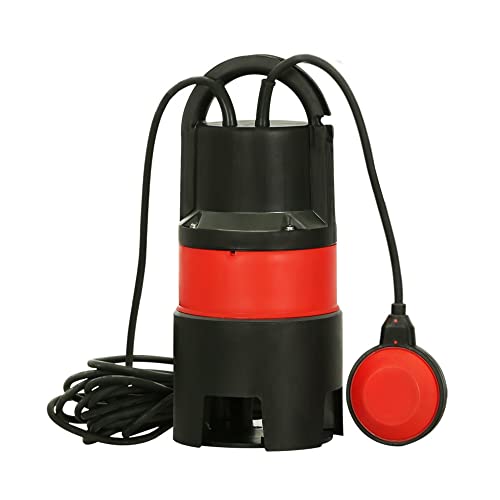
Giantz 750W Submersible Sump Pump for Dirty Water, Pool and Pond Cleanup
$74.9 on Amazon
TOPEX 400W Submersible Dirty Water Pump, 7500L/H for Pool & Pond
$79 on Amazon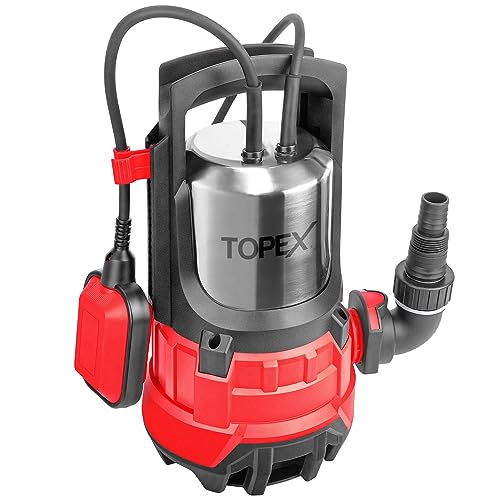
TOPEX 1100W Submersible Dirty Water Pump,20000L/H,10M Power Cord
$115 on AmazonIf pooling is a constant headache, also see our yard drainage solutions guide. Need to move mud-laden water fast over long distances? Consider 2-inch petrol water transfer pumps as a separate solution.
Which Submersible Dirty Water Pump Suits Your Yard?
Submersible dirty water (aka “trash”) pumps are designed to sit in the water and move it away through a lay-flat hose or garden hose. The right choice comes down to your flood depth, distance to your discharge point, and debris load.
Key buying factors for Australian homes
- Head height vs run length: Max head is the max vertical lift the pump can overcome. If you’re pushing water up a slope or over a retaining wall, favour higher-wattage models with better head. Long horizontal runs also add resistance; use wider hose (32–40mm) for better flow.
- Flow rate in the real world: Published max L/h is at zero head. Expect less once you add hose length, bends and elevation. For lawn areas 50–150m², a 750–900W unit is a solid all-rounder.
- Solids handling: Look for pumps rated to pass larger particles (e.g., leaves, bark chips). A raised base or cage helps keep silt out.
- Float switch automation: A float switch turns the pump on/off automatically—ideal for a pit or recurring pooling. Manual-only models suit attended emergency use.
- Outlet size and fittings: Common outlets are 25mm (1”), 32mm (1¼”) or 40mm (1½”). Wider hose = higher flow. Adapters are often included, but confirm what you need before it’s raining.
- Build and duty cycle: Stainless steel housings resist corrosion and heat better during long pump-outs. Plastic-bodied budget models are fine for occasional use.
- Cable length and safety: You’ll want enough cable to keep the 240V connection well away from water. Use an outdoor-rated RCD/safety switch lead.
Featured Picks: Who Each One Suits
Best Overall — 750–900W Submersible Dirty Water Pump
Why it stands out: Strong balance of flow and head height for most suburban blocks. Handles typical leaf and silt loads, comes with a float switch, and usually includes multi-size outlet adapters.
Real-world use case: Clearing 30–80mm pooling across a lawn, draining a side yard pathway to the street kerb, or emptying a small pit feeding stormwater.
- Pros: Versatile; good litres-per-minute; automated float control; sensible power draw for home sockets
- Cons: Not as tough as stainless units for marathon pumping; performance drops with small hoses
Best for: Most homeowners wanting one dependable pump for summer storms.
Who should avoid: Properties with repeat flooding, long discharge runs or heavy debris—step up to a premium stainless model.
Best Budget — 350–500W Compact Submersible
Why it stands out: Low cost, light to carry, quick to deploy. Ideal as a backup or for shallow water under pergolas and paved areas.
Real-world use case: Moving shallow sheet water to a drain after a storm, or emptying a children’s pool or pond.
- Pros: Cheap; compact; low noise; easy to store
- Cons: Lower head and flow; more prone to clogging; not for heavy silt or long hose runs
Best for: Small patios/courtyards and occasional emergencies.
Who should avoid: Anyone battling ankle-deep lawn flooding—go mid or high power.
Best Premium — 1100W Stainless Steel Submersible
Why it stands out: Higher power and stainless body for durability, better heat management and stronger flow under load. Designed for frequent, heavy use.
Real-world use case: Clearing large backyard pools of water, pushing uphill to the street, or pumping from a permanent sump pit after big East Coast lows.
- Pros: Excellent head; faster evacuation; robust build; float switch suited to pits
- Cons: Heavier; pricier; can overrun small garden hoses—use 32–40mm lay-flat for best results
Best for: Larger blocks, repeat flood zones, tradies and property managers.
Who should avoid: Casual users who just need to clear a bit of patio water once a year.
Setup: How to Pump a Flooded Aussie Yard Fast (Safely)
- Plan the discharge path: Aim water to the kerb/stormwater entry, not a neighbour’s property. Avoid erodible garden beds.
- Use wider hose: Fit 32–40mm lay-flat hose for max flow. Keep bends gentle and runs as short as practical.
- Raise the pump slightly: Sit it on a paver or crate so it doesn’t inhale silt. Brush away leaves around the intake as it runs.
- Float switch clearance: Make sure the float can swing freely. In very shallow water, switch to manual mode if the model allows.
- Power safely: Use an outdoor-rated extension lead with built-in RCD/safety switch. Keep all electrical joins high and dry.
- Don’t run dry: Submersible pumps rely on water for cooling. Once the intake starts sucking air, switch off.
- Aftercare: Rinse the pump, check the impeller area for grit, drain the hose and store coiled and dry.
Building a permanent pit? You may also want to consider automatic pump controllers or even variable-speed pumps for smarter drainage systems.
Submersible vs Petrol Trash Pumps — When to Step Up
Submersible dirty water pumps are brilliant for shallow pooling, pits and moderate hose runs. If you need to move huge volumes fast over long distances, or the water is thick with debris and mud, a dedicated petrol trash pump is often more efficient. See our comparison of 2-inch petrol water transfer pumps for those scenarios.
FAQ
How big a pump do I need for a flooded lawn?
For most suburban blocks, a 750–900W dirty water submersible offers a strong balance of flow and head height. If you regularly see ankle-deep pooling or need to push uphill to the street, consider 1100W stainless models.
What hose size should I use?
Use the largest outlet the pump supports—ideally 32–40mm lay-flat hose. A narrow 25mm garden hose chokes flow and extends pump-out time.
Can I connect to a garden hose?
Many pumps include adapters for 25mm hoses, but expect lower flow. For emergencies it works; for speed, fit lay-flat hose.
How do I calculate head height?
Add the vertical lift (from water surface to the discharge outlet) plus some allowance for hose length and bends. If in doubt, step up a power class.
Do I need a float switch?
For pits or recurring pooling, yes—a float switch automates start/stop and prevents dry running. For attended emergencies, manual is fine.
Is it safe to use an extension lead in wet conditions?
Use an outdoor-rated lead with an in-line RCD/safety switch and keep all joins well above water. Never handle plugs with wet hands.
Will silt and leaves damage the pump?
Dirty water pumps are designed to pass debris within a rated size, but grit still causes wear. Raise the pump on a paver and clear the intake regularly while pumping.
Can a submersible pump replace proper drainage?
It’s a rapid response, not a cure. For chronic pooling, upgrade the landscape with channels or pits—see our drainage solutions guide.
Final thoughts
Choose a pump class that matches your elevation and debris, pair it with wide lay-flat hose, and use RCD-protected power. For long-term fixes, combine the pump with better hardscape drainage—and when you need raw pumping grunt over distance, look to a separate petrol trash pump solution.
Next steps: plan a permanent pit with a float-switch pump and smart controllers, or start redesigning with our yard drainage solutions guide.