
Orbit B‑Hyve XD 4‑Outlet Tap Timer Review Australia – Smarter Multi‑Zone Watering vs RainPoint
Running pots, lawns and a hedge off one tap is a juggling act—especially in Aussie summers when pressure swings and water restrictions bite. A four‑zone smart tap timer promises hands‑off control without paying for a full 24VAC valve system. Here’s how the Orbit B‑Hyve XD 4‑Outlet stacks up against RainPoint’s 4‑outlet rival, and who should upgrade now. See broader roundups in our 4‑outlet buyer’s guide and top WiFi hose timers.
Quick Picks
- Best Overall: Orbit B‑Hyve XD 4‑Outlet – Reliable multi‑zone control with great manual override and weather‑based skips when paired with the hub.
- Best Budget: RainPoint 4‑Outlet WiFi – Solid app control and value if you want direct WiFi scheduling on a tighter budget.
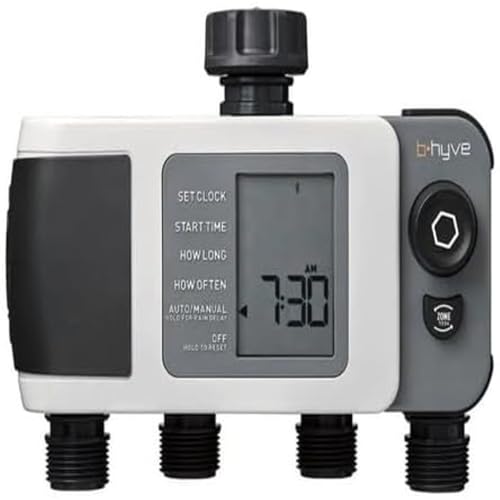
96794 - Australian Model - Orbit B-Hyve XD 4 Station Smart Bluetooth Hose Tap Timer with Optional Wi-Fi
$190 on Amazon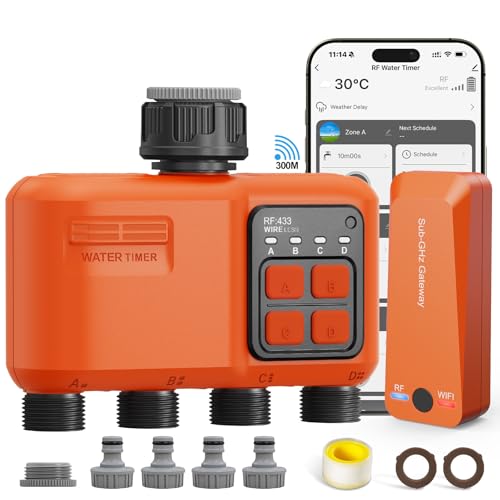
Smart WiFi Sprinkler Timer,Water Timer for Garden Hose Irrigation 4 Outlet
$149.99 on AmazonOrbit B‑Hyve XD 4‑Outlet — Hands‑on Review for Australia
Why it stands out
- Four independently scheduled outlets keep lawns, hedges, veggie beds and pots on different run times so you don’t drown one area to water another.
- Strong on‑device controls: a proper screen and buttons mean fast manual watering (useful during fertigation or when testing drip lines) without hunting for your phone.
- Weather intelligence (with B‑Hyve WiFi hub) lets you skip cycles after rain or heat‑shift start times—handy to comply with local watering windows.
- Practical for Aussie taps: installs quickly on outdoor hose bibs; many AU listings include the right adaptors—still double‑check thread compatibility before you buy.
Real‑world use case
Typical setup I see in Brisbane: Outlet 1 runs 20–30 minutes of lawn sprinklers at dawn; Outlet 2 drips a 20m hedge line; Outlet 3 handles patio pots with short, frequent cycles; Outlet 4 feeds a veggie bed with alternate‑day soaks. You keep each zone’s needs separate, and with the WiFi hub the controller auto‑skips after summer storms—no more soggy lawn or root rot in pots.
Pros
- Genuinely independent zones with overlapping schedules handled well when configured correctly.
- Manual start per outlet on the unit—fast troubleshooting.
- Weather‑based adjustments when paired with the hub reduce water waste.
- Battery‑powered and simple to install—no electrician and no digging.
Cons
- Bluetooth control alone has limited range; the separate WiFi hub is strongly recommended for remote access and weather features.
- Like all hose‑end timers, it’s sensitive to debris and pressure spikes—add a filter/regulator for drip lines.
- Running multiple high‑flow zones back‑to‑back can expose minor leaks on weak hose fittings—check washers and use thread seal where appropriate.
Best for
Homeowners wanting four zones from a single tap without installing in‑ground solenoids: small‑to‑medium lawns, perimeter hedges, mixed pots/veggies, rental properties and Airbnbs where you can’t alter plumbing.
Who should avoid
If you’re planning 6–12 high‑flow sprinkler zones or want master valve/flow sensor integration, step up to a 24VAC smart controller with in‑ground valves instead.
Orbit B‑Hyve XD vs RainPoint 4‑Outlet — Which suits Aussie gardens?
Both serve the same goal—four zones off one tap—but they differ in control style, app polish and upgrade paths. Here’s the practical breakdown.
| Product | Best use case | Main advantage | Main limitation |
|---|---|---|---|
| Orbit B‑Hyve XD 4‑Outlet | Mixed landscapes where on‑device control and weather skips matter | Excellent manual controls; robust scheduling; weather smarts with hub | Needs separate WiFi hub for remote access and automations |
| RainPoint 4‑Outlet WiFi | Budget‑friendly app control for pots, hedges and small lawns | Strong value; straightforward app; often bundles with gateway | Build and interface feel simpler; manual on‑unit control is more basic |
If you value reliable manual overrides plus smarter weather‑based automation, the Orbit is worth it—especially for variable Aussie weather. If price is the priority and you’ll mostly schedule from the app, RainPoint’s 4‑outlet can save dollars while still covering four zones. For a deeper market view, see our 4‑outlet roundup.
Setup tips for Australian taps, pressure and drip
- Add filtration and pressure regulation before drip zones to protect valves and emitters. See our filter/regulator kit guide.
- Stage high‑flow zones (lawn sprinklers) so they don’t overlap. This avoids low pressure and mid‑cycle shutoffs.
- Use quality hose fittings and rubber washers; cheap joiners leak when timers cycle on/off daily.
- Mount the timer upright and out of direct afternoon sun if possible; UV and heat are brutal in summer.
- Going off rainwater? Stabilise pressure and reduce sediment. Our coverage on rain‑to‑mains changeover and whole‑yard retic retrofits explains options.
Who should upgrade to a 4‑outlet tap timer?
- Replacing multiple cheap single timers: one smart unit is easier to manage and reduces leak points.
- Expanding from 1–2 zones: keep lawn, hedges and pots on distinct runtimes instead of “one‑size‑fits‑none”.
- Short‑term or rental installs: get automation now without trenching valves or calling a sparky.
Running more than four distinct high‑flow zones or wanting pro‑level monitoring? Graduate to 24VAC smart controllers.
What to add next (keeps performance and convenience high)
- Orbit B‑Hyve WiFi Hub – unlocks remote control, alerts and weather‑based skips.

Orbit B-Hyve Gen 2 Wi-Fi Hub
$85 on Amazon- Drip filter + pressure regulator kit – protects valves and emitters, stabilises flow for hedges and beds.

Rain Bird FCKIT-1PK Drip Irrigation Easy Fit Faucet Connection Kit for 1/2" Tubing, Includes Pressure Regulator and Filter
$43.05 on AmazonFrequently Asked Questions
Does the Orbit B‑Hyve XD 4‑Outlet need a WiFi hub?
It works via Bluetooth out of the box, but the WiFi hub is worth adding for remote access, notifications and weather‑based skips—especially useful in Australia’s changeable summer storms.
Will it fit my Australian outdoor tap?
Most AU listings include the correct adaptor for standard outdoor taps. Always check the product listing for the thread type and included fittings before purchase.
Can I run all four outlets at once?
Technically you can overlap, but it’s better to stagger high‑flow zones to maintain pressure. Run sprinklers one at a time; drip can overlap if pressure is stable and regulated.
How weather‑based watering works in Australia
With the B‑Hyve hub connected, the app can skip or adjust watering based on local conditions (rain/heat/wind). That helps comply with council watering times and saves water.
Is it okay for bore or tank water?
Yes, but add filtration and stabilise pressure. Sediment can jam valves and emitters; pressure spikes stress hose fittings. A filter/regulator kit is strongly recommended.
How long do the batteries last?
Battery life varies by schedule frequency, valve activity and signal strength (with a hub). Expect to check/change cells seasonally; keep spares on hand before summer.
What’s the maximum hose length for drip runs?
Design by flow, not just length. Use pressure‑compensating drippers, filter/regulator kits, and split long hedges into two zones if the far end looks under‑watered.
Can I fertilise through the system?
You can hand‑mix via a hose‑end sprayer on a dedicated outlet. For regular fertigation, consider a proper injector and keep it on its own zone to avoid cross‑contamination.
What if I outgrow a tap timer?
When you need more than four zones or advanced sensors (flow, master valve), upgrade to a 24VAC smart controller with in‑ground valves.
Bottom line
If you want four independent zones, reliable manual control and smarter weather‑aware automation, the Orbit B‑Hyve XD 4‑Outlet is the safest everyday pick. Budget‑minded buyers will be fine with RainPoint 4‑Outlet, especially for drip‑heavy gardens. For bigger projects or future‑proofing, step up to a proper valve controller. Explore comparisons in our 4‑outlet guide and see system‑level options in smart drip for hedges.