
RAINPOINT WiFi Tap Timer Review Australia – Smarter Hose Watering on a Budget
Missed watering because you were stuck at work… then overwatered when that Sydney storm rolled through? A WiFi tap timer fixes exactly that. After testing the RAINPOINT system on pots, lawn patches and hedge drip in QLD heat and a cool VIC week, here’s how it performs—and whether you should pick it over Orbit B-hyve or Diivoo.
Compare the broader WiFi hose timer field or see single-zone head-to-heads here.
Quick Picks
- Best Overall: RAINPOINT WiFi Tap Timer (with gateway) – Reliable schedules, moisture-sensor support, good value for Aussie yards.
- Best Budget: Diivoo WiFi Tap Timer – Entry price with handy basics for pots and balcony drip.
- Best for Beginners: Orbit B-hyve XD (with Hub) – Polished app and easy setup for first-time smart watering.

Shrivee WiFi Sprinkler Tap Timer 3‑Zone for Garden Hose Irrigation
$129.99 on Amazon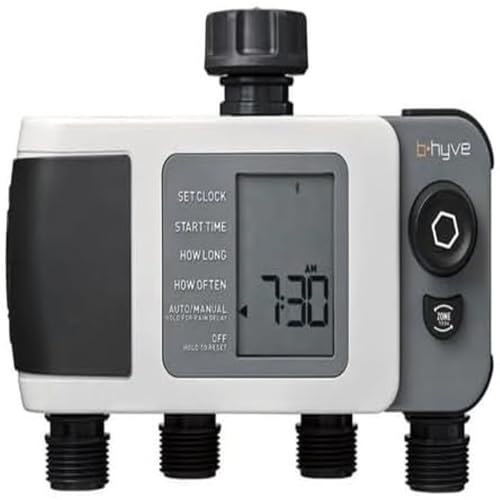
96794 - Australian Model - Orbit B-Hyve XD 4 Station Smart Bluetooth Hose Tap Timer with Optional Wi-Fi
$202 on Amazon
Diivoo Brass Tap Timer 2 Zone with IP66 Waterproof for Garden, Lawn, Yard
$59.99 on AmazonRAINPOINT WiFi Tap Timer: The Australian Review
Why it stands out
- Real remote control: The WiFi bundle (timer + gateway) lets you trigger watering from anywhere—useful for holidays and surprise Brisbane storms.
- Flexible scheduling: Multiple programs, start times and manual runs. It handled both lawn spot-repair cycles and longer hedge-drip sessions without hiccups.
- Moisture-sensor compatibility: Pairing a sensor helps pause irrigation after rain—handy in Melbourne’s changeable weather and for water restrictions.
- Decent flow handling: Worked well on pressure-regulated drip and standard hose sprayers. No noticeable throttling on short runs.
Real-world use case
If you’re running a single tap to multiple short drip lines for a hedge (10–30 metres total) or keeping pots alive on a hot northerly deck, RAINPOINT makes it simple: set two light morning cycles, add an evening top-up during heatwaves, then let the moisture sensor skip when rain hits. On bore water or higher-pressure Perth setups, pair it with a filter/regulator for smoother operation.
Pros
- Good value for full WiFi control (not just Bluetooth)
- Supports moisture sensors to reduce water waste
- Manual button on the timer for quick hose use
- Schedules proved reliable over multi-week testing
Cons
- Some models require a separate WiFi gateway—buy the kit, not the timer alone, if you want true remote control
- Like most battery timers, it prefers 2.4 GHz WiFi and a nearby router for stable connection
- App UX is solid but a touch less polished than Orbit’s
Best for
Homeowners wanting affordable automation for a tap-fed drip line, lawn patch repair, or balcony planters—without stepping up to wired valves or a 24VAC controller.
Who should avoid
Large, multi-zone lawns needing rotor sprinklers and seasonal programs may be better off with a dedicated controller and valves. See our 24VAC smart controller guide.
RAINPOINT vs Orbit B-hyve vs Diivoo: Which One Suits Your Yard?
All three are WiFi hose tap timers available in Australia, but they differ in polish, ecosystem and price positioning. Here’s the short version I wish I had before buying:
| Product | Price range (AUD) | Best use case | Main advantage | Main limitation |
|---|---|---|---|---|
| RAINPOINT WiFi Tap Timer (with gateway) | Mid-range | Single tap feeding hedge drip or pot zones | Strong value + moisture sensor support | Gateway often required for true WiFi |
| Orbit B-hyve XD (with Hub) | Higher | First smart setup; polished app experience | Slick app + mature ecosystem | Costs more; hub needed |
| Diivoo WiFi Tap Timer | Budget | Balcony pots and small drip runs | Low entry price, straightforward | Fewer advanced app touches |
Need two outlets from one tap? Jump to our comparisons for 2‑outlet WiFi tap timers or 4‑outlet setups.
Orbit B-hyve XD (with Hub)
Why it stands out
- Clean app with intuitive schedules and smart rain delays
- Good track record for stability and updates
Real-world use case
Ideal if you want a first-timer-friendly setup that’s easy to share access with family and tends to “just work” without tinkering.
Pros
- Excellent onboarding and app clarity
- Solid reliability across Aussie ISPs/routers
Cons
- Costs more than RAINPOINT or Diivoo
- Requires a hub for full WiFi control
Best for
Beginners prioritising ease of use and a refined app.
Who should avoid
If you’re price-sensitive and comfortable with a slightly less polished app, RAINPOINT offers better value.
Diivoo WiFi Tap Timer
Why it stands out
- Low entry price, simple scheduling
- Works fine for small gardens and pot collections
Real-world use case
Good for renters and balcony growers who need basic automation and remote starts without a big spend.
Pros
- Affordable way to test smart watering
- Quick to get running
Cons
- Fewer advanced options and integrations
- Build feel isn’t as confidence-inspiring as Orbit
Best for
Small spaces and light-duty watering.
Who should avoid
Anyone running longer hedge drip lines or wanting sensor-driven skips—RAINPOINT scales better.
Setup and App Experience in Australia
- WiFi band: Like most smart irrigation devices, RAINPOINT expects 2.4 GHz. If you have a combined SSID (2.4/5 GHz), separate them during setup for fewer headaches.
- Distance to router: Keep the gateway within a reasonable range of your tap area; brick walls can reduce signal in older Aussie homes.
- Hose thread & sealing: Australian garden taps are 3/4" BSP. Use the supplied washer and hand-tighten; add thread tape only if you see drips.
- Battery choice: Use quality alkaline batteries and replace at season start. Low batteries are the #1 cause of misfires in all brands.
Water Savings and Schedules That Work Here
In summer, light and frequent runs on pots prevent stress, while hedges prefer deeper, less frequent cycles. RAINPOINT’s flexible programs make both easy, and pairing a moisture sensor reduces watering after coastal showers. On bore water or higher pressure, a filter/regulator steadies flow and protects internal valves.
Optional add-ons that genuinely help
- Soil moisture sensor for automatic rain/soil skips

RAINPOINT Smart Digital Wireless Soil Moisture Meter WiFi Hub Needed & Solar Thermo-Hygrometer Kit for Houseplant Indoor, Capacitive Probe Real-time Monitor Sensor Gardening Plant Care Essentials
$48.72 on Amazon - Filter/regulator set for drip reliability

Drip Irrigation Pressure Regulator Filter Kit 25 PSI Metal Connector 34 | Plastic material for outdoor durability Y shaped filter provides large area Fits standard 34 inch spigot hose
$13.92 on Amazon - Brass Y‑splitter to keep manual hose access alongside the timer
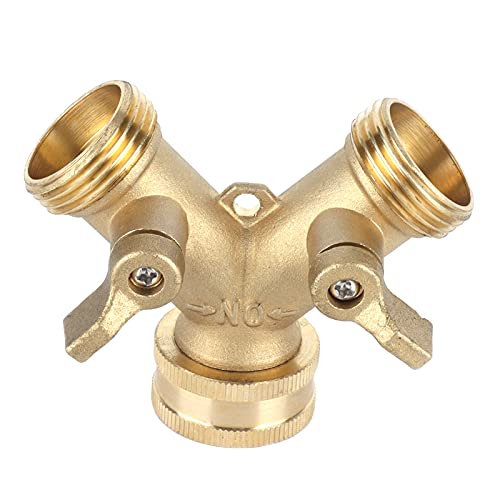
Gernie 2 Way Garden Hose Splitter, Brass Body with Ball Valve, G3/4 Y Connector, Hose Connector, Parts & Connectors, VALVE
$20.62 on Amazon
Planning a larger automation path later? See our guide to complete irrigation automation stacks.
Who Should Buy RAINPOINT—and Who Should Upgrade
- Buy RAINPOINT if you want dependable WiFi control, flexible schedules, and sensor support without paying a premium.
- Choose Orbit B-hyve if you value a highly polished app and super-simple onboarding—even at a higher price.
- Pick Diivoo if you need the cheapest way to automate smaller watering tasks.
- Upgrade to a 24VAC smart controller if you’re adding multiple lawn zones or pop-up sprinklers. Start with this controller comparison.
FAQs
Does the RAINPOINT timer need a separate WiFi hub?
Many RAINPOINT variants do. If you want true away-from-home control, buy the timer bundled with the WiFi gateway.
Can it run two hose zones?
Some RAINPOINT models offer dual outlets, or you can add a second single-outlet unit. For pros/cons of dual-outlet models, see our 2‑outlet comparison.
Will it work with Australian drip fittings?
Yes—connect via standard garden hose to your drip line. For best results on drip, add a filter/regulator to stabilise pressure.
Does it support rain or soil moisture skipping?
Yes—pair a compatible RAINPOINT soil moisture sensor so schedules pause after rain or when soil stays wet.
How long do the batteries last?
Depends on usage and schedules. Replacing at the start of each season is a safe rule for any battery tap timer.
What if my WiFi is only 5 GHz?
Most smart irrigation devices use 2.4 GHz. Enable or split your router’s 2.4 GHz band during setup.
Is it suitable for lawn sprinklers?
For small lawn patches, yes. For multiple sprinklers or larger areas, consider moving to a 24VAC controller and valves.
Can I still use the tap manually?
Yes—use the manual run on the timer or add a Y‑splitter to keep a free hose line available.
If you’re scaling beyond a single tap—adding tanks, pumps or multiple drip zones—step up strategically with our guides on rain‑to‑mains changeover and tank‑to‑drip automation.