
Tow‑Behind Dethatchers Australia: Spring‑Tine Rakes for Ride‑On Mowers
Thatch build‑up makes Aussie lawns spongy, water‑repellent and patchy. If you own a ride‑on mower or garden tractor, a tow‑behind dethatcher (spring‑tine rake) is the fastest way to comb out dead grass and debris ahead of overseeding and feeding. This guide compares proven tow‑behind dethatchers available for Australia, explains which size and features matter, and shows how to choose and use one safely with local lawn types like Buffalo, Kikuyu and Couch.
Quick picks
- Agri‑Fab 48" Tow‑Behind Dethatcher (Spring‑Tine Rake) – Best for larger areas and established brand support
- Brinly 40" Tow‑Behind Dethatcher – Best for compact lawns and tight access
- VEVOR Tow‑Behind Dethatcher – Best for straightforward setup and value‑focused buyers
At a glance: comparison
| Product | Working width | Hitch type | Transport wheels | Weight tray | Best suited to |
|---|---|---|---|---|---|
| Agri‑Fab 48" Tow‑Behind Dethatcher | Approx. 48" | Pin hitch (ride‑on/ATV) | Yes | Yes | Larger properties and renovation passes |
| Brinly 40" Tow‑Behind Dethatcher | Approx. 40" | Pin hitch (ride‑on/ATV) | Yes | Yes | Small to mid‑size lawns; tighter turns |
| VEVOR Tow‑Behind Dethatcher | Category: 40–48" class | Pin hitch (ride‑on/ATV) | Varies by model | Varies by model | Value buyers wanting simple setup |
Agri‑Fab 48" Tow‑Behind Dethatcher (Spring‑Tine Rake)
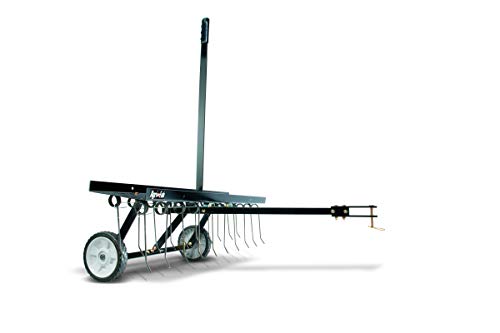
Agri-Fab 45-0295 48-Inch Lawn Dethatcher, Medium, Black
$387.03 on AmazonWhy it stands out
Agri‑Fab’s 48‑inch spring‑tine rake is a popular format for ride‑ons: wide enough to cover ground efficiently, with a lever for transport wheels and a tray to add ballast when you need more tine bite. The brand has long experience with tow‑behind lawn tools, which helps with parts information and setup clarity.
Key specifications
- Working width: approx. 48 inches
- Hitch: universal pin‑style for most ride‑ons/ATVs
- Features: spring tines, transport wheels, weight tray
- Construction: steel frame
Practical suitability
Good match for larger blocks and renovation passes before overseeding and fertilising. Suits Kikuyu and Couch where regular thatch lift‑out keeps stolons from matting. On Buffalo, run a light pass and test a small area first.
Limitations
- Wide frame needs room to turn; gardens with narrow gates may prefer a 40‑inch unit.
- Severe thatch may still require a dedicated scarifier or verticutter pass.
Verdict
A capable, wide spring‑tine rake for ride‑on owners who want efficient coverage and an established brand.
Brinly 40" Tow‑Behind Dethatcher

VEVOR TBD100 40-inch 20 Spring Steel Tines, Dethatcher ATV or Mower, Tow Behind Lawn Rake with Lift Handle for Garden Farm Grass, Black
$143.9 on AmazonWhy it stands out
The 40‑inch Brinly balances coverage with manoeuvrability. It’s easier to store, suits tighter curves around trees and beds, and still gives a meaningful tine sweep for routine spring clean‑ups.
Key specifications
- Working width: approx. 40 inches
- Hitch: universal pin‑style
- Features: spring tines, transport wheels, provision for ballast
- Construction: steel frame
Practical suitability
Best for small to mid‑size Aussie lawns and properties with landscaping features that make a 48‑inch frame cumbersome. Pair with a lawn sweeper pass to pick up debris faster.
Limitations
- Narrower working width means more passes on larger blocks.
- As with all spring‑tine rakes, it is a thatch lifter, not a deep scarifier.
Verdict
A practical size for suburban yards that still benefits from tow‑behind efficiency.
VEVOR Tow‑Behind Dethatcher
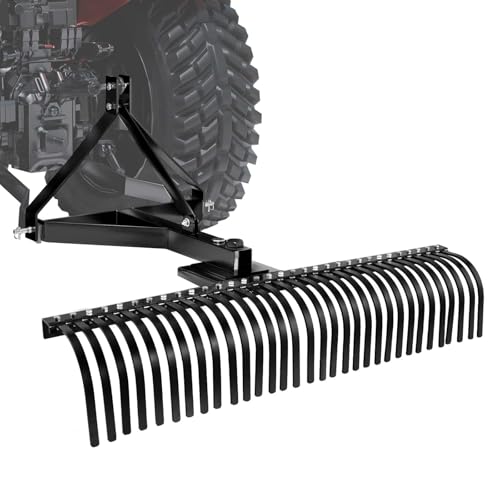
VEVOR Tow Behind Dethatcher, 1525mm Tow Dethatcher with 32 Steel Tines, 3-Point Lawn Dethatcher Rake with Attachments for Tractor, Landscape Rake for Garden, Farm, Grass
$534.9 on AmazonWhy it stands out
VEVOR offers budget‑friendly tow‑behind lawn tools with straightforward assembly. For buyers prioritising simple setup and a solid spring‑tine rake action at a competitive price point, it’s a compelling option.
Key specifications
- Working width: model‑dependent (typically in the 40–48 inch class)
- Hitch: pin‑style for ride‑ons/ATVs
- Features: spring tines; wheel and weight‑tray features vary by model
- Construction: steel
Practical suitability
Good for periodic spring clean‑ups and pre‑overseeding passes where you want to lift dead material without going to a powered scarifier.
Limitations
- Check the specific model’s wheel and weight‑tray details; these vary.
- For heavily compacted lawns, follow with an aerator pass.
Verdict
A value‑oriented tow‑behind tine rake that fits most ride‑on mowers with a pin hitch.
How to choose a tow‑behind dethatcher for Australian lawns
- Width (40" vs 48"): Wider covers ground faster but needs more turning room. 40" suits suburban blocks; 48" suits larger properties.
- Weight tray: Being able to add ballast helps tines reach matted thatch. Start light and increase gradually to avoid gouging.
- Transport wheels: Essential for crossing paths or moving between zones without scratching turf.
- Hitch compatibility: Most ride‑ons use a simple pin hitch. Confirm your mower’s tow point height and pin diameter.
- Frame and tine design: Steel frames and replaceable spring tines are standard; check assembly and fastener quality.
- Australian grasses: For Buffalo, use a lighter pass and higher cutting height afterwards. Kikuyu and Couch tolerate more aggressive raking when actively growing.
Building a complete renovation sequence? See our guides on tow‑behind plug aerators, tow‑behind fertiliser spreaders and tow‑behind lawn sweepers. For a step‑by‑step seasonal plan, read the Buffalo & Kikuyu lawn renovation system and the complete renovation bundle guide.
Setup and use tips
- Timing (AUS): Rake when warm‑season grasses are actively growing (spring into early summer). Avoid heatwaves and drought stress.
- Speed: Tow at a slow, steady pace for consistent tine action; avoid sharp turns with tines down.
- Height and passes: Start with light ballast. Make a test pass; increase weight only if needed. Cross‑hatch at 90° for thicker thatch.
- Clean‑up: Follow with a lawn sweeper or catcher mow to remove debris.
- Aftercare: Overseed and fertilise as needed. See spring weed & feed options and soil testing to dial in nutrients. If pH is off, review lawn lime.
Useful supporting items
These can make towing and setup easier.

Magnetic Hitch Pin 1/2" Lawn Mower Trailer Towing Hitch Pin Lock
$26.98 on Amazon
Towing Hitch Set, Trailer Hitch Pin, Zero Turn Mower Trailer Hitch Kit Set
$33.98 on Amazon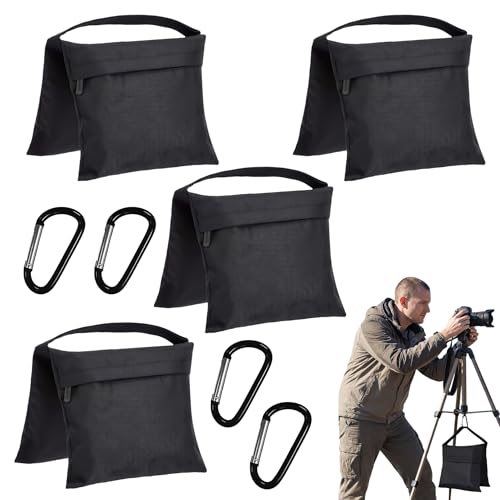
4Pcs Photographic Sandbag Set - Heavy Duty Saddlebag Design with Double Zipper Secured Weight Bags for Professional Studio Equipment Stability, Ideal for Light Stands & Tripods, Max Load Capacity 15kg
$25.99 on Amazon
220 LBS Umbrella Base Weights Sandbags, 4 Pcs Sand Bags for Weight, Weatherproof Fillable Heavy Duty Canopy Weight Bags for Outdoor Furniture Backyard Umbrella Garden Trampoline Poolside Accessories
$32.99 on AmazonRelated guides
- Petrol lawn scarifiers (when you need deeper renovation)
- Battery‑powered lawn dethatchers
- Lawn levelling rakes & drag mats
FAQs
Will a tow‑behind dethatcher fit my ride‑on mower?
Most use a universal pin‑style hitch that suits common ride‑ons and many ATVs. Check your tow point height and pin diameter, then match with the product’s hitch hardware.
How aggressive are spring‑tine rakes on Buffalo lawns?
Go lighter on Buffalo: run one pass with minimal ballast and confirm results before adding weight. Buffalo can scalp if over‑aggressively raked or mown too low immediately afterwards.
Is a tow‑behind dethatcher the same as a scarifier?
No. A spring‑tine rake lifts surface thatch and debris. A scarifier/verticutter cuts into the canopy and thatch layer. Many homeowners rake first, then scarify if deeper renovation is needed.
Do I need a lawn sweeper after dethatching?
It helps a lot. Raking generates a surprising volume of debris. A tow‑behind sweeper reduces the number of cleanup passes and preps the lawn for overseeding.
When should I dethatch in Australia?
When the lawn is actively growing and can recover—typically spring into early summer for warm‑season grasses (Kikuyu, Couch, Buffalo). Avoid periods of heat stress or drought.