
3 Best Robot Lawn Mowers Australia – Hands‑Off Lawn Care for 300–700m² Yards
Your weekends shouldn’t vanish behind a catcher bag. For many Aussie blocks, a robot mower is the cleanest way to keep buffalo or kikuyu in check without petrol, noise, or green waste. Below are three proven picks that actually suit 300–700m² lawns, with clear guidance on who each model is for and how to set them up right. If your yard is smaller, see Best Robot Lawn Mowers Australia – Under 300m², and for steep sites check Best Robot Mowers for Sloped Yards.
Quick Picks
- Best Overall: GARDENA SILENO (500–700m² class) – Exceptionally quiet, reliable cut on buffalo/kikuyu, handles narrow passages and complex yards.
- Best Budget: Yard Force (500–600m² class) – Solid value with simple setup for flatter, squarer Aussie lawns.
- Best Premium/Upgradable: WORX Landroid M (up to ~700m² class) – Strong edge performance and modular add‑ons for smarter navigation and security.
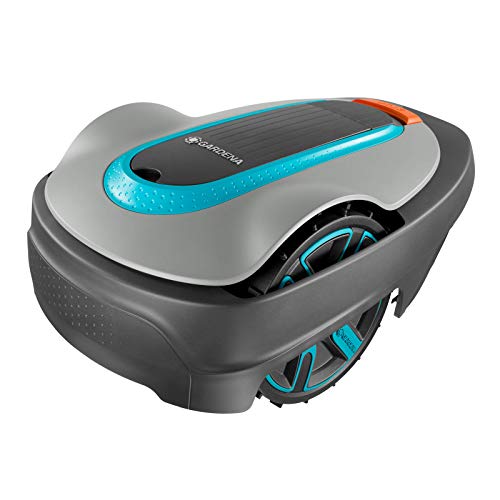
Gardena SILENO City 500 Robotic Lawnmower
$1310.61 on Amazon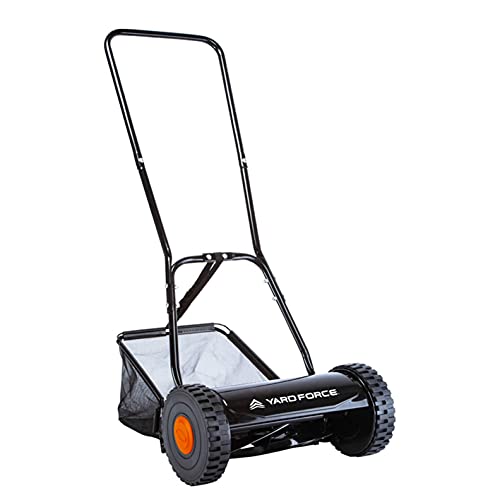
Yard Force Hand Push Lawn Mower, 30 cm Cutting Width
$ on Amazon
WORX LANDROID Robotic Lawn Mower High Pitch Alarm Accessory - WA0865
$35.81 on AmazonHow to choose a robot mower for 300–700m² Australian lawns
Forget block size—measure grass area only. A 550m² mowing area with garden beds, a trampoline and paths behaves more like 400–450m² to a robot. Consider:
- Grass type: Buffalo and kikuyu are tough. Look for sharp, replaceable blades and steady torque. Quiet multi‑day mowing suits warm‑season grasses perfectly.
- Layout complexity: Narrow side returns, courtyards and linked zones reward models with corridor modes and smart passage handling.
- Edges and obstacles: If you hate whipper‑snipping, an edge‑focused deck helps. For toys and gum nuts, obstacle awareness reduces nudging.
- Slopes: Check the slope rating if your yard undulates. For challenging banks, compare models in our slope guide.
- Connectivity: Basic Bluetooth is fine for set‑and‑forget. If you want off‑site control and alerts, go Wi‑Fi or 4G modules.
- Boundary type: Boundary‑wire systems remain the most accessible in Australia. Wire‑free RTK mowers are emerging—see the wire‑free/RTK buyer’s guide.
GARDENA SILENO (500–700m² class)
Why it stands out
Remarkably quiet operation, tidy cut quality on buffalo and kikuyu, and calm navigation in tight Aussie side yards. The app scheduling and passage handling reduce random wandering and leave fewer uncut patches on complex blocks.
Real‑world use case
Typical suburban 600m² lot with ~450m² of grass split front/back, a trampoline, and a 1.1m side return. Runs daily in summer to keep warm‑season growth even without scalp marks.
Pros
- Very low noise—easy to run mornings or evenings without annoying neighbours.
- Confident in corridors and linked lawn areas.
- Gentle, frequent clippings improve lawn density over time.
Cons
- Edge finishing still benefits from an occasional line‑trim along hard borders.
- Costs more than bare‑bones value units.
Best for
Owners prioritising reliability and quietness on 500–700m² of mixed, obstacle‑rich lawn.
Who should avoid
Very steep blocks or those needing ultra‑aggressive edge reach—consider the Landroid below or see our slope picks.
Yard Force (500–600m² class)
Why it stands out
Gives you the core robot mowing experience at a friendlier price. Straightforward setup, dependable boundary following, and enough grunt for typical couch/buffalo on flatter lawns.
Real‑world use case
Rectangular 520m² yard with a single lawn area, minimal garden beds, and limited obstacles. Run time spread across the week keeps clippings tiny and invisible.
Pros
- Excellent value to automate mowing on mid‑sized Aussie blocks.
- Simple interface that doesn’t require tech tinkering.
- Good cut quality when scheduled frequently.
Cons
- Less adept in narrow, complex zones than premium models.
- Fewer app bells and whistles; basic obstacle avoidance.
Best for
Budget‑minded buyers with flatter, squarer lawns around 300–600m².
Who should avoid
Homes with multiple small lawns linked by corridors, or yards full of play gear—consider SILENO or Landroid for smarter routing.
WORX Landroid M (up to ~700m² class)
Why it stands out
Stronger edge performance reduces your whipper‑snipping time. The modular ecosystem (e.g., optional GPS anti‑theft or obstacle modules) lets you scale features without paying for everything upfront.
Real‑world use case
Front/back lawns totalling ~600m² with concrete edging, a gum tree dropping twigs, and kids’ toys left outside. Edge cutting trims closer, and add‑ons help with alerts and obstacle awareness.
Pros
- Edge‑focused cutting reduces manual tidy‑ups along paths and pavers.
- Upgradeable with useful modules for security and navigation.
- Good app experience and scheduling control.
Cons
- Modules add cost; not everyone needs them.
- Setup takes a little more patience to extract the best edge performance.
Best for
Owners who value neat edges and want to future‑proof with optional upgrades.
Who should avoid
If your lawn is extremely simple and you don’t care about edges, a value model may do the job for less.
Side‑by‑side snapshot (decision‑focused)
| Product | Price tier | Best use case | Main advantage | Main limitation |
|---|---|---|---|---|
| GARDENA SILENO (500–700m² class) | $$$ | Mixed, complex lawns with corridors | Quiet, composed navigation and tidy finish | Still needs some edge touch‑ups |
| Yard Force (500–600m² class) | $$ | Flatter, squarer blocks on a budget | Great value and easy setup | Basic smarts; less ideal in tight zones |
| WORX Landroid M (~700m² class) | $$$ | Edge‑heavy lawns; buyers wanting upgrades | Better edge reach; modular add‑ons | Add‑ons increase total cost |
Set‑up tips for Aussie yards (fewer missed patches, better edges)
- Wire routing: Keep boundary wire 3–5cm from hard edges if you want close trims; increase the gap for garden beds with soft mulch to avoid sink‑ins.
- Islands for obstacles: For trampolines or trees, wire islands tidy navigation and prevent endless bump‑and‑turn behaviour.
- Scheduling: In summer growth flushes, run daily short windows. In winter, reduce days to avoid wheel marks.
- Irrigation timing: Water early morning so soil isn’t greasy when the mower starts. If you’re automating sprinklers, see smart sprinkler controllers or 24VAC controller comparisons.
- Keep blades fresh: Replace every 1–3 months on buffalo/kikuyu to maintain a clean cut and lawn colour.
- Wire‑free curiosity: Considering GPS/RTK models? Compare pros/cons in our wire‑free guide and boundary‑wire brand match‑ups here.
Useful upgrades and spares
Stick to small, high‑impact add‑ons that improve reliability and finish.
- Robot mower garage/shelter – protects from Aussie sun and summer storms.
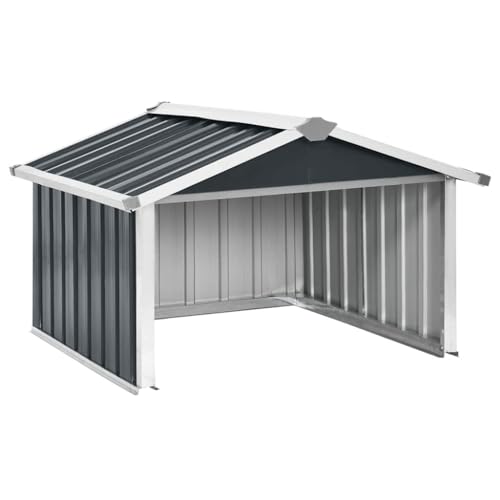
vidaXL Garden Robot Lawnmower Shed Outdoor Backyard Terrace Tool Storage House Shed Garage Shelter 92x97x63 cm Galvanised Steel Anthracite
$138.99 on Amazon - Boundary wire repair kit – quick fixes for accidental cuts during gardening.

Gardena Robotic Lawnmower Boundary Wire Repair Kit
$49.35 on Amazon - Replacement blades – keep cuts clean on buffalo/kikuyu and reduce browning.

Clovorthex 36PCS Robot Mower Replacement Blades with 36 Screws - Compatible with LUBA AWD 1000/5000, LUBA 2 AWD 3000/10000, YUKA 600/1500 - Lawn Mower Replacement Cutting Blades Kit
$27.89 on Amazon
FAQs
Will a robot mower handle buffalo or kikuyu?
Yes—set frequent schedules and keep blades sharp. These warm‑season grasses respond well to little‑and‑often cuts, which thicken the sward and hide clippings.
How do I size a robot mower for 300–700m²?
Measure grass only, subtracting decks, paths and beds. If your lawn is complex or split into zones, choose the next capacity up for buffer.
How do they cope with slopes?
Most mid‑size models suit gentle to moderate slopes. For steep sections or uneven banks, compare picks in our sloped‑yards guide linked above.
Are they noisy?
No—typical operation is quiet enough for early mornings. It’s far less intrusive than petrol mowing and won’t upset neighbours.
Do I still need to edge?
Often a little. Edge‑oriented decks (like Landroid) reduce how much, but a quick touch with a line trimmer every few weeks keeps a crisp border.
What happens when it rains?
Most units can run on light drizzle but wet ground increases wheel marks and clumping. Use rain sensors or schedules to pause during heavy falls.
How secure are they?
Look for PIN/lock features and optional GPS modules. Garaging and discreet base placement also help reduce risk.
What maintenance is needed?
Swap blades every 1–3 months, clear stuck twigs, brush wheels, and check boundary joins. Store undercover in extreme heat or over long holidays.
Final take
For mid‑size Aussie lawns, GARDENA SILENO is the calm performer for complex spaces, Yard Force nails value for simpler blocks, and WORX Landroid M is the crowd‑pleaser if you want sharper edges and future upgrades. If your lawn is smaller, start here: robot mowers under 300m². Thinking about skipping mowing altogether with a battery walk‑behind instead? Compare self‑propelled battery mowers.