
Telescopic Manual Pole Pruners Australia: Saw + Lopper Heads
Need to prune high branches safely from the ground without firing up a chainsaw? A telescopic manual pole pruner with both a curved saw and a bypass lopper head is a versatile, low‑maintenance solution that suits Australian yards from suburban blocks to acreage. This guide explains how to choose, what to expect, and compares three useful categories so you can pick the right tool for your trees and hedges.
If you prefer powered gear for thicker limbs, see our battery and petrol alternatives: cordless pole saws, battery pole saw buyers’ guide and petrol pole saws. For ground‑level finishing or shrubs, also compare battery pruning shears and 18V hedge trimmers.
Quick picks
- Long‑reach telescopic pole pruner — saw + bypass lopper (best for taller trees)
- Mid‑reach telescopic pole pruner — saw + lopper combo (best for general yard work)
- Modular telescopic pole + saw and lopper heads (best for flexibility/upgrades)
At a glance: comparison
| Pick | Reach class | Heads | Best for |
|---|---|---|---|
| Long‑reach telescopic pruner | Long reach | Curved saw + bypass lopper | Taller trees where extra length helps reduce ladder use |
| Mid‑reach telescopic pruner | Medium reach | Curved saw + bypass lopper | General yard pruning of ornamentals and fruit trees |
| Modular pole + heads set | Variable (swap heads) | Interchangeable saw and lopper heads | Owners who want an upgrade path and easy spares |
Long‑reach telescopic pole pruner — saw + bypass lopper (best for taller trees)

9m Manual Pole Pruner Saw for Tree Trimming, Extendable Tree Pole Pruner, Sharp Steel Blade and Scissors, High Branch Trimmer with Lightweight 9 Fiberglass Handles, for Pruning Palms and Shrubs -Green
$94.99 on AmazonWhy it stands out
Designed for extra reach to access higher limbs from the ground, this category combines a telescopic pole with a rope‑ or lever‑actuated bypass lopper and a curved pull saw head. The long reach reduces ladder work and helps with crown thinning and deadwood removal in taller ornamentals and light eucalypt regrowth.
Key considerations
- Telescoping pole with positive locks (twist or flip clamps).
- Bypass lopper for live wood; curved pull saw for thicker or dead limbs.
- Light, rigid pole material (often aluminium or fibreglass blend).
- Angled saw head for efficient pull strokes above shoulder height.
Practical suitability
Good fit for homeowners with trees that outgrow stepladder reach, or for pruning along driveways and around sheds where stable ladder placement is tricky.
Limitations
- Longer poles can feel top‑heavy; a shoulder strap helps on extended sessions.
- Loppers suit smaller diameter green wood; use the saw on thicker or dead branches.
Verdict
Choose a long‑reach model if canopy height is your main challenge and you want to minimise ladder use while still keeping things quiet and low‑maintenance.
Mid‑reach telescopic pole pruner — saw + lopper combo (best for general yard work)

yoqelt 4-in-1 Cordless Pole Saw & Electric Pruning Loppers, 6" Mini Chainsaw with 2000mAh Battery, Telescopic Pole 110-170cm, Cordless Garden Trimmer for Overgrown Branches & Wood Cutting
$139.99 on AmazonWhy it stands out
A balanced, easier‑handling option for most suburban yards and fruit trees. The medium length is simpler to control around fences and garden beds while still reaching typical first‑storey branches.
Key considerations
- Compact collapsed length for storage and transport.
- Smooth lopper action (rope, chain, or lever assist) for clean cuts on live wood.
- Replaceable saw blade with impulse‑hardened teeth (common on quality models).
Practical suitability
Best for routine seasonal pruning, fruit tree shaping, and tidying storm‑damaged twigs before they grow out of reach.
Limitations
- Not intended for very thick hardwood limbs; step up to a pole saw if needed.
- Shorter overall reach than dedicated long‑reach poles.
Verdict
If you want one tool to maintain most trees and large shrubs, a mid‑reach combo is the easiest to live with and store.
Modular telescopic pole + saw and lopper heads (best for flexibility/upgrades)

4-in-1 Cordless Pole Saw & Pole Pruner, 2000mAh 6 inch Mini Chainsaw and Loppers with Extension Pole, Continuously Adjustable Height 110-135cm,Chainsaw for Garden Shears, Tree Trimming,Wood Cutting
$114.74 on AmazonWhy it stands out
Modular systems let you attach a lopper head, swap to a saw, and often add other pruning accessories to the same telescopic pole. This keeps the pole investment long‑term while you replace or upgrade heads as they wear.
Key considerations
- Secure head interface (button‑lock or collar clamp) with minimal wobble.
- Availability of spare blades, lopper anvil/bypass parts and additional heads.
- Comfort grips and low flex at full extension.
Practical suitability
Great for frequent pruners who value future spares and the option to expand the tool kit without buying another full pole.
Limitations
- Head changes add a step versus a fixed combo.
- Full systems can cost more upfront, offset by longer service life.
Verdict
Pick a modular set if you want an upgrade path and easy part replacements for years of pruning.
Helpful accessories
Make pruning safer and more comfortable with simple PPE add‑ons.
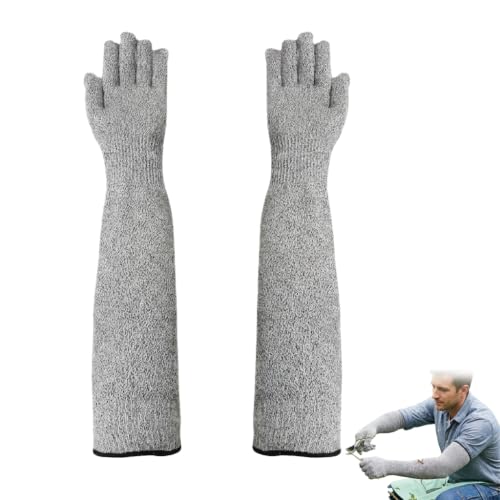
Level 5 Cut Resistant Arm Gloves, 50cm Long Safety Arm Sleeves | HPPE Anti-Scratch Bite-Proof Arm Guardsfor Construction, Gardening, Kitchen, Outdoor Work Gardening Gloves Gift for Worker
$12.99 on Amazon
Safety Glasses Anti-Fog Anti-Scratch Lenses Resistant Polycarbonate
$11.99 on AmazonBuying guide: how to choose a telescopic manual pole pruner
Saw + lopper combo vs modular heads
Combo tools ship with both a curved saw and a bypass lopper. Modular systems use the same telescopic pole with interchangeable heads. Combo kits are simple and good value; modular shines for long‑term parts support.
Pole material and locks
- Aluminium: light and affordable; can flex a little at full extension.
- Fibreglass blend: often stiffer and feels more damped to vibrations.
- Locks: Twist collars are quick; flip clamps give a positive stop. Look for minimal play when fully extended.
Lopper mechanism and cut quality
- Bypass lopper is ideal for live, green wood and cleaner cuts on fruit trees.
- Anvil lopper can handle slightly harder, dead wood but can crush live tissue.
- Check for a compound/lever assist if you have weaker grip or cut a lot of branches.
Saw blade and kerf
- Curved pull‑stroke blades bite overhead with less effort; impulse‑hardened teeth stay sharp longer.
- Replaceable blades are worth the small premium. Stock an extra for busy seasons.
Reach and handling
- Pick mid‑reach for suburban trees and fruit trees where control matters around fences and beds.
- Pick long‑reach for taller canopies to reduce ladder time. A shoulder strap helps manage fatigue.
Australian considerations
- Look for anti‑rust coatings and stainless fasteners for coastal areas.
- Availability of spare blades and lopper parts from AU sellers simplifies maintenance.
If you’re dealing mainly with hedges or screening plants, a pole hedge trimmer can save time on long runs — see our battery pole hedge trimmer guide. For thicker limbs or storm clean‑ups, a compact saw may be faster — compare mini cordless pruning chainsaws.
FAQs
How do I decide when to use the lopper vs the saw?
Use the bypass lopper for smaller, live branches where it can make a single clean cut without crushing. Switch to the curved saw for thicker or dead wood where the lopper would struggle.
What size branches can a manual pole pruner cut?
Loppers are typically for smaller‑diameter live wood, while the saw handles thicker limbs. If cuts feel forced or rough, step up to the saw or consider a pole saw for heavy work.
Are rope‑free loppers better than rope‑pulled types?
Rope‑free/chain‑drive heads reduce tangles in dense canopies and can feel more direct. Rope‑pulled loppers are simple and proven. Both can work well if the mechanism is smooth and durable.
How should I maintain a manual pole pruner?
Brush off debris, lightly oil the blade and lopper pivot, check fasteners, and store collapsed and dry. Replace worn saw blades and lopper blades/anvils when cuts degrade.
Is a manual pole pruner enough for Australian hardwoods?
For routine pruning and green growth, yes. For repeatedly cutting thicker hardwood limbs, consider a powered option like a battery pole saw or petrol pole saw.
When should I call a professional?
If branches are near power lines, require climbing, or the trunk needs removal, hire a qualified arborist. For cost context, see our overview of tree removal and emergency clean‑up costs.