
3 Best Robot Lawn Mowers Australia – Seamless Multi‑Zone Mowing for Front & Back Yards
Two lawns, one brain: that’s the multi‑zone challenge. Whether your front and back are split by a driveway or you’ve got courtyards connected by a narrow path, the right robot can handle separate areas without babysitting. If you’re unsure about size or slope first, compare small‑yard robots or our picks for sloped lawns.
Quick Picks
- Best Overall: Worx Landroid – Excellent app control, easy multi‑zone setup, good value for Aussie suburban blocks.
- Best Budget: Yard Force – Straightforward secondary‑area support for two lawns without paying dealer prices.
- Best Premium: GARDENA SILENO (Life/Smart) – Ultra‑quiet, reliable “corridor” handling and flexible per‑zone scheduling.

WORX LANDROID Robotic Lawn Mower High Pitch Alarm Accessory - WA0865
$35.81 on Amazon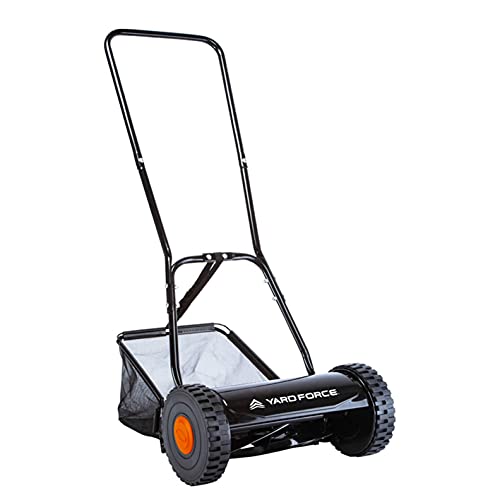
Yard Force Hand Push Lawn Mower, 30 cm Cutting Width
$ on Amazon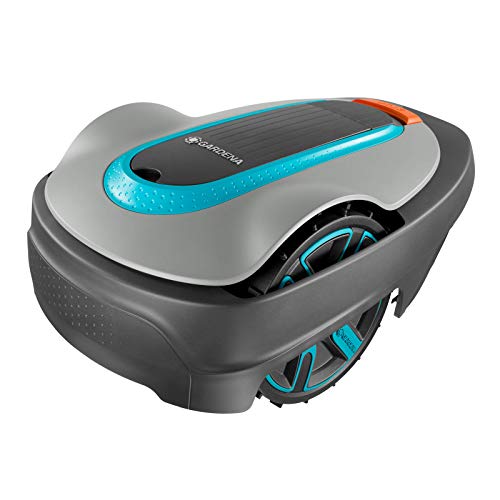
Gardena SILENO City 500 Robotic Lawnmower
$1310.61 on AmazonHow to choose a multi‑zone robot for Australian yards
Multi‑zone success is 80% planning, 20% mower. Here’s what actually matters on Aussie blocks with Buffalo, Kikuyu or Couch:
- Multi‑area logic: Look for native support for named zones (e.g., “Front”, “Back”) with separate schedules. If you must carry the robot between areas, ensure it can start inside a fenced zone without re‑homing hassles.
- Passage handling: Narrow side paths and gates are common. Features like “corridor” or “passage” management reduce getting stuck along fences.
- No‑mow zones: Keep robots out of natives, mulch and veggie beds. Virtual zones or add‑on magnetic strips help if your beds change seasonally.
- Cutting system: Pivoting micro‑blades are lawn‑friendly for Buffalo runners and keep noise down. Edge performance matters if Kikuyu creeps along paths.
- Weather logic: After summer storms, growth explodes. Rain and frost sensors plus adaptive schedules limit scalping and clumping.
- Power & runtime: Larger batteries suit 500–700 m² total across zones. If you’re mid‑renovation, see our 300–700 m² guide.
- Wire vs. wire‑free: Boundary wire is still the most accessible DIY option. For complex, constantly changing gardens, consider wire‑free RTK upgrades.
Our hands‑on picks for multi‑zone yards
Worx Landroid – Best Overall for typical Aussie multi‑zone blocks
Why it stands out:
- App‑driven multi‑area control makes it simple to split front and back with tailored days and start times.
- Good balance of cut quality, runtime and price without dealer‑only lock‑in.
- Modular add‑ons (e.g., off‑limits strips) help you evolve the garden without ripping up all the wire.
Real‑world use case: Front lawn gets morning sun, back lawn stays damp after overnight retic. Run a short morning pass out front and a later session out back to avoid wet clumps and wheel marks.
Pros
- Reliable multi‑zone scheduling with easy adjustments from the phone.
- Handles narrow side passages better than most entry models.
- Widely supported in Australia; parts and blades are easy to find.
Cons
- Edge finish is decent but not haircut‑sharp along pavers; a quick monthly trim may still be needed.
- Steep or rutted side easements can still trip it up; check slope rating.
Best for: Suburban blocks up to roughly 700 m² total split into 2–3 areas with a side gate or path.
Who should avoid: Very complex gardens with frequent bed reshaping—consider wire‑free RTK models instead (see our RTK guide).
Yard Force – Best Budget for simple two‑area setups
Why it stands out:
- Delivers core features—secondary area support, dependable cut—without the premium price tag.
- Solid choice if your “zones” are basically front and back with a straightforward path between them.
Real‑world use case: A rental with front and back lawns separated by a fence. Set up a secondary area and carry the mower when needed—no dealer visit required.
Pros
- Simple programming; gets you mowing fast.
- Quiet operation that won’t annoy neighbours during evening runs.
- Good blade longevity on Buffalo and Couch when maintained.
Cons
- App and mapping are basic compared with pricier brands.
- Passage handling is competent, but tight 80–90 cm corridors may need tweaks to the wire layout.
Best for: Budget‑minded buyers with two zones and predictable edges.
Who should avoid: If you rely on fine‑tuned schedules per zone or have multiple choke points, Landroid or SILENO will save time.
GARDENA SILENO (Life/Smart) – Best Premium for quiet, polished multi‑zone runs
Why it stands out:
- Exceptionally quiet cut—great for dense suburbs or early starts.
- “Corridor” logic reduces ping‑ponging down narrow side yards and along fences.
- Smart variants integrate with broader garden automation if you head that way later.
Real‑world use case: Front verge with trees and a narrow path to the back. The SILENO’s passage routines minimise stalls around letterboxes and bins.
Pros
- Refined navigation in tight Australian side passages.
- Customisable per‑zone schedules that adapt well after rain.
- Excellent support and accessories locally.
Cons
- Costs more than most DIY‑friendly models.
- Setup takes care to get the corridor logic right—worth the effort.
Best for: Buyers who want quiet, low‑drama operation and already value GARDENA’s garden ecosystem.
Who should avoid: If you only need a basic two‑area split on a small block, you can save money with Yard Force.
Head‑to‑head: which multi‑zone robot suits your yard?
| Product | Yard size capability | Multi‑zone handling | Main advantage | Main limitation | Cost tier |
|---|---|---|---|---|---|
| Worx Landroid | Up to medium (approx. 700 m² total) | Strong app control; easy per‑zone schedules | Great value + modular upgrades | Edges may need occasional touch‑up | Mid |
| Yard Force | Small to medium | Simple primary + secondary area | Budget‑friendly, quiet | Basic app; tighter corridors need care | Budget |
| GARDENA SILENO (Life/Smart) | Small to medium | Refined corridor logic; flexible schedules | Ultra‑quiet, polished navigation | Higher upfront cost | Premium |
Setup tips that make multi‑zone mowing work first time
- Think in “islands”: Protect trees and garden beds with inner loops or magnetic strips to stop unplanned pruning of natives.
- Widen the choke points: Where possible, give 1 m clearance at gates and bin zones. Tweak wire layout at tight corners.
- Stagger schedules: If retic runs early, let the robot start later in the back. Dry grass = finer clippings and better mulch.
- Sharpen your plan, not the blades: Replace micro‑blades every 1–3 months in peak growth on Kikuyu and Buffalo for a cleaner finish.
Helpful add‑ons:
- Extra boundary wire for secondary zones

Gardena Robotic Lawnmower Boundary Wire 50 m
$73.3 on Amazon - Compact mower garage to shield from Queensland sun & storms
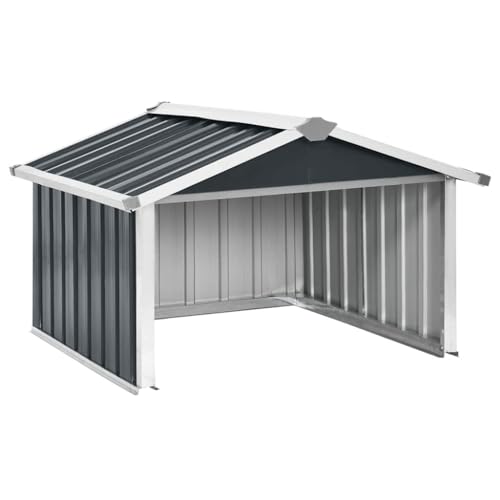
vidaXL Garden Robot Lawnmower Shed Outdoor Backyard Terrace Tool Storage House Shed Garage Shelter 92x97x63 cm Galvanised Steel Anthracite
$138.99 on Amazon - Replacement blade kits for sharp cuts on Buffalo/Couch

Clovorthex 36PCS Robot Mower Replacement Blades with 36 Screws - Compatible with LUBA AWD 1000/5000, LUBA 2 AWD 3000/10000, YUKA 600/1500 - Lawn Mower Replacement Cutting Blades Kit
$27.89 on Amazon - Waterproof wire connectors for edits later

Pack of 20 Connection Terminals, Clip for Cable for Robotic Lawnmowers, Boundary Cable Charging Station, T-Branch Connector, Quick Connector, Power Thief Lawnmower e.g. Husqvarna, Gardena, Lawn Robot
$11.5 on Amazon
When to upgrade to wire‑free RTK navigation
If you re‑shape beds every season or your side access is a maze, a wire‑free RTK robot can pay off by removing most boundary‑tweaking. They’re pricier but brilliant for evolving gardens and rentals where you can’t bury wire. Compare options in our wire‑free RTK buyer’s guide.
FAQ – Multi‑zone robot lawn mowers in Australia
Do I need two charging bases for two lawns?
No. Most multi‑zone setups share one base at the main lawn. For completely separate areas with no cable path, some models allow a secondary area you service by carrying the mower over.
Can a robot cross pavers or a driveway between zones?
Yes, if you run boundary wire through an expansion joint or conduit and maintain a clear, reasonably flat passage (ideally ~1 m wide). Otherwise, treat the other lawn as a secondary area.
Will it cut Buffalo and Kikuyu cleanly?
Yes with sharp blades and frequent schedules. Buffalo’s broad leaf loves sharp micro‑blades; swap blades more often in summer growth to avoid frayed tips.
How do I keep it out of my native garden beds?
Create inner “islands” with boundary wire or use brand‑specific no‑go solutions (e.g., magnetic strips). It’s fast to change later if your layout evolves.
What if my side yard is very narrow?
Choose models with corridor or passage handling and give generous wire clearance at pinch points. Test and nudge wires out a few centimetres if it bounces or stalls.
How does rain affect the schedule?
Many robots auto‑pause in heavy rain. In warm Aussie climates, let lawns dry to avoid clumping—then run a slightly longer catch‑up schedule.
Do I need to bury the boundary wire?
No. Peg it down first. Once you’re happy with the zones, you can bury or leave pegged; grass usually grows over within weeks.
How often should I replace blades?
Every 1–3 months during peak growth (Kikuyu/Couch) and 3–6 months in cooler periods. Dull blades shred leaf tips and can brown off the lawn.
Will these climb my sloped verge?
Check each model’s slope rating. For steeper verges, see our picks for sloped yards.
Final word
For most Aussie multi‑zone blocks, Worx Landroid nails app‑simple control and value; Yard Force covers the essentials for less; GARDENA SILENO adds the quiet polish. If your garden layout changes often, wire‑free RTK is the upgrade path to bookmark. Planning a bigger lawn project? See our 300–700 m² guide or compare wire models head‑to‑head in this boundary‑wire shootout.